Lessons Learned - October 2026
Xu Xiao, University of Kentucky
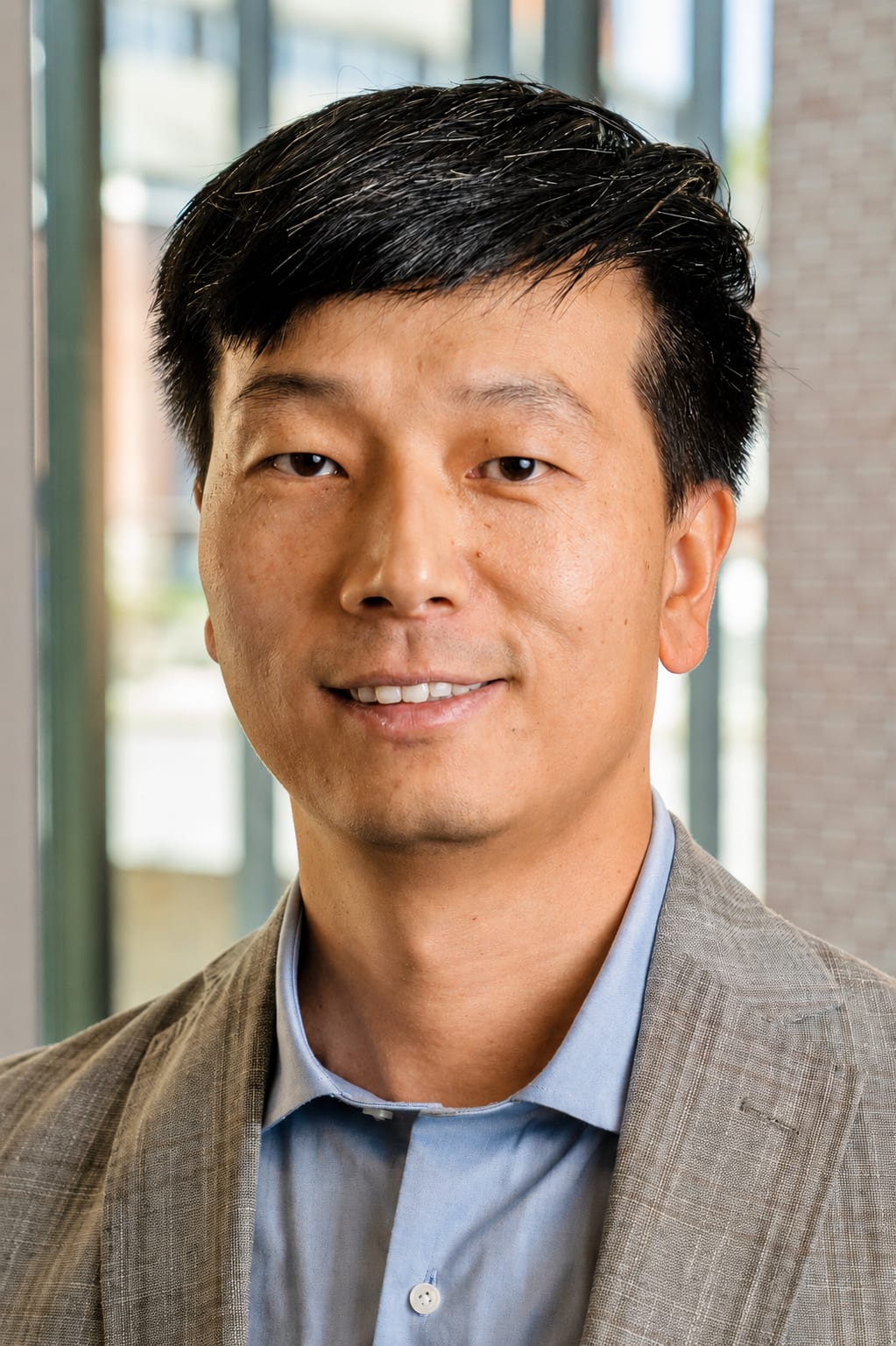
I am Xu Xiao, an Assistant Professor at the University of Kentucky. My laboratory studies how intracellular cholesterol transport and organelle lipid homeostasis regulate cardiovascular and metabolic health. Our research focuses on identifying novel cholesterol transport pathways and understanding their roles in metabolic liver disease, atherosclerosis, and vascular inflammation, with the long-term goal of developing new therapeutic strategies for cardiometabolic diseases.
Transitioning from a trainee to an independent investigator has been one of the most exciting and challenging
stages of my scientific career.
stages of my scientific career. Since establishing my laboratory at the University of Kentucky, I learned that building a successful research program requires more than developing innovative ideas and generating exciting data. It also requires effective lab management, a commitment to trainee development, and persistence in the face of scientific uncertainty.
1. Establish a Structured Lab Management System and Encourage Timely Communication
One important lesson I have learned is that effective lab management requires structure, clear expectations, and timely communication. Establishing a consistent lab management schedule is essential for keeping everyone on track. I organize weekly 1:1 meetings with each trainee, lab meetings, and biweekly journal clubs to discuss research progress, troubleshoot challenges, share new ideas. I also encourage trainees to communicate promptly when they encounter problems, obtain unexpected results, or need guidance, rather than waiting until the next scheduled meeting.
2. Invest in Trainee Development and Celebrate Their Achievements
Another major lesson is the importance of supporting trainee development. A lab's success is deeply connected to the growth of its trainees. Mentoring is more than assigning projects. It involves helping trainees develop scientific independence, critically interpret data, communicate their findings effectively, write grants and manuscripts, and build confidence in their abilities. Recognizing trainee milestones, including fellowship awards, qualifying examinations, poster presentations, and scientific talks helps create a positive lab culture and motivates trainees to continue growing. My goal is to build an environment where trainees feel supported, challenged, and encouraged to take ownership of their science and career development.
3. Stay Optimistic, Keep Learning, and Never Stop Trying
A third lesson is to stay optimistic, keep learning, and never stop trying. Maintaining optimism does not mean ignoring setbacks. It means treating them as opportunities to improve, adapt, and move forward with renewed enthusiasm and determination. Science rarely moves in a straight line. Grants are always not funded on the first attempt, experiments often need to be repeated or redesigned, and projects may develop more slowly than expected. Persistence, continuous learning, and adaptability are essential for building an independent research program. Continuing to write and submit grants, even when previous applications have not been funded. Each application provides an opportunity to refine scientific questions, strengthen experimental plans, and learn from reviewer feedback.