View this Newsletter Online
|
Happy holidays, NAVBO community. We are in that stretch between Thanksgiving, when we reflect on where we have been, and the New Year, which brings excitement for where we are going. NAVBO and I are thankful for everyone who supported us on Giving Tuesday. Your gifts fuel the programs that make this community special, like educational activities that include our online events, Vasculata scholarships, our new mentoring program, and the video series for high school students. If you intended to give but the day got away from you, we will continue to accept year end donations through December 31, and every dollar goes right back into the community and the next generation of vascular biologists.
Looking ahead to 2026, I am hopeful that the newly reopened government will clear the backlog of NIH grant reviews, bringing some much-needed holiday presents for NAVBO members. I am also excited about our Virtual Workshop on “Specification of Endothelial Cell Phenotypes” this February. While I always enjoy talking about endothelial biology, this program will bring together an outstanding group of colleagues across development, inflammation, metabolism, and mechanobiology to explore endothelial identity in health
|
and disease. We are planning a lively mix of invited talks and trainee presentations with plenty of time for discussion. It should be an exciting session, and one I can attend from my way too comfortable office chair. Please keep an eye on your inbox for registration details and ways for trainees to participate, and encourage your groups to join us.
So, from NAVBO, thank you for all you do for our community, and we are looking forward to an energizing start to 2026 together.
Best regards,
Wayne Orr, PhD
President, NAVBO
|
NAVBO Committees are Recruiting
|
Are you passionate about the vascular biology community and looking for ways to make a meaningful impact? We are excited to announce that we are now accepting applications for committee volunteers, and we invite you to apply! Applications are due December 15.
Volunteering for a committee is a rewarding experience that allows you to contribute your skills, ideas, and expertise to important initiatives. It's also a fantastic opportunity to network with other NAVBO members and grow both personally and professionally.
Whether you're brand-new to NAVBO or a long-time member, we're looking for volunteers to serve on our Communications, Communities, Membership and Online Programming Committees.
Please note: Membership in a committee is limited to active NAVBO members.
Apply by December 15, 2025
|
Although Giving Tuesday has passed, consider NAVBO in your year-end giving. Your tax deductible contribution to NAVBO would be very much appreciated.
Your contribution will be used to support NAVBO's educational activities, most specifically our high school video series. Depending on the amount we receive, we can also fund Vasculata scholarships, our new mentoring program, and support student memberships through our Advancing Young Voices Program, which supports membership for those with financial challenges.
To donate, please click here. To choose a level for your contribution, select the appropriate gift.
NAVBO is a 501(c)3 charitable organization as designated by the IRS.
|
Virtual Workshop - February 2026
|
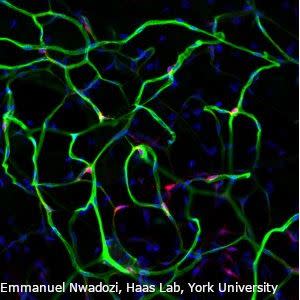
The image is cropped from a panel in Liu Z et al (2024). Angiogenesis
Thank you to all those that submitted at abstract! Drs. Adam and Bautch are currently reviewing them for selection in the program and we expect to announce the completed program by December 22. The schedule and list of speakers can be found here.
The early bird deadline is January 5 - register now!
|
Travel Funds Available for NAVBO Trainee Members
Starting in January 2026, NAVBO will help fund NAVBO trainee members to attend small (200 participants or less), non-NAVBO, conferences of the member's choice, rather than NAVBO restricting it to certain conferences. Applicants must submit an abstract to an eligible meeting. Support will be up to $500 and a limited number of awards are available.
Additional information and an application can be found on our web site at https://navbo.org/Trainee-Awards.
|
Thank you to Supporters of VB2025
|
The Angiogenesis journal supports the Springer Junior Investigator Award
|
NSF graduate fellowship program in jeopardy
In September, the U.S. National Science Foundation released long-awaited, modified instructions for its Graduate Research Fellowship Program (GRFP), whose submission deadline has just passed. This round, more than 1000 promising students were excluded from the opportunity, as second-year Ph.D. students found themselves ineligible. As reported in Science, the narrow window for application left still-eligible students pinched, and second year students, who had been biding time and polishing their records in preparation for their one shot at a GRFP, understandably feel abandoned. Concerns also are running high that the GRFP’s objective that “…fellowships will be supported in all NSF-eligible research areas…” will be unduly influenced by political priorities.
|
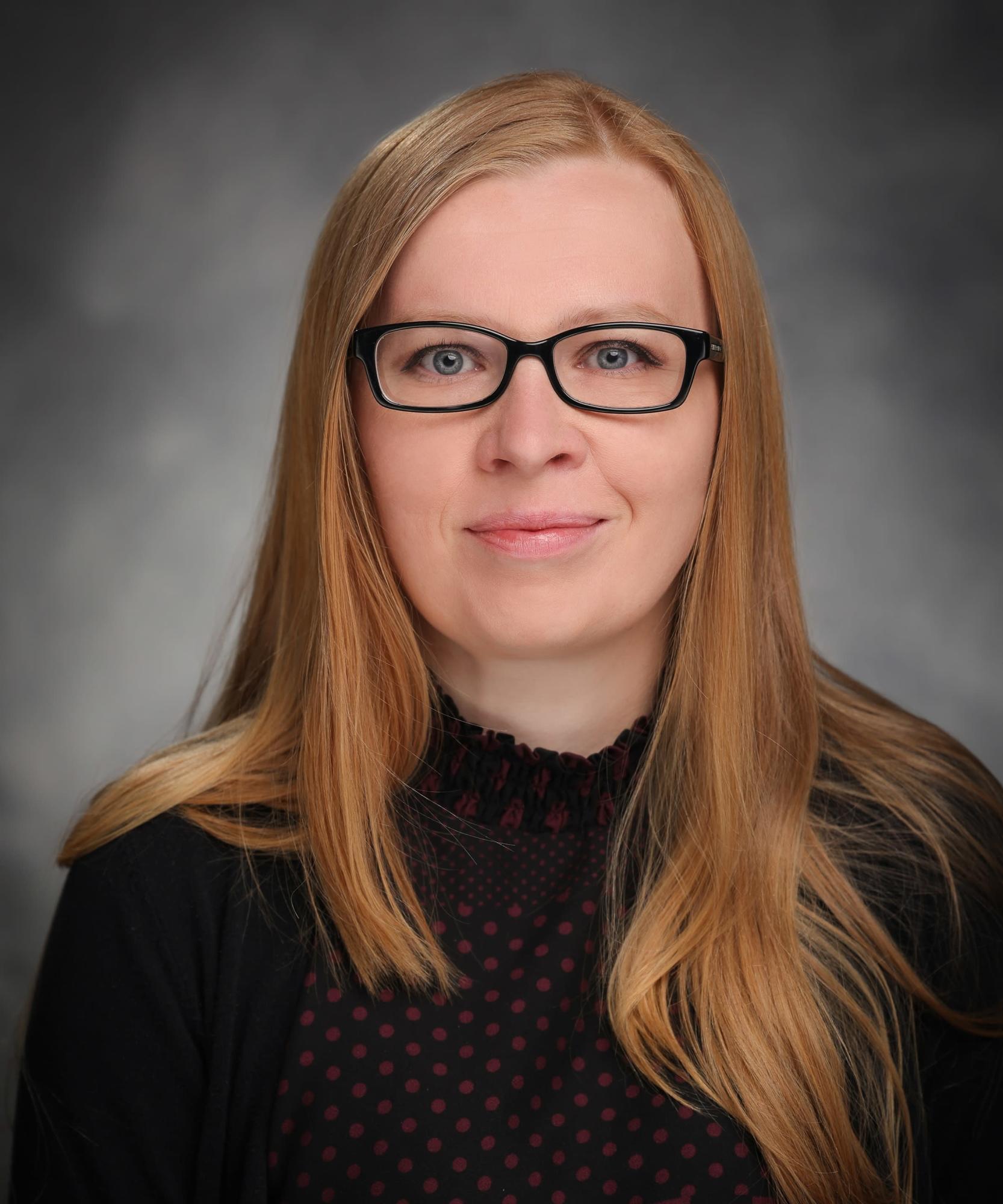
Aleksandra Tata, Ph.D.
Starting an independent lab, Aleksandra Tata learned to balance the roles of scientist, mentor, manager, and administrator, relying on mentorship and adaptability to overcome challenges and setbacks. Building a supportive, collaborative team and leveraging institutional resources proved essential for scientific progress and personal growth. Dr. Tata advises new principal investigators to invest in their teams, seek guidance, embrace challenges, and stay focused on the scientific questions that inspire them. To read more, click here.
|
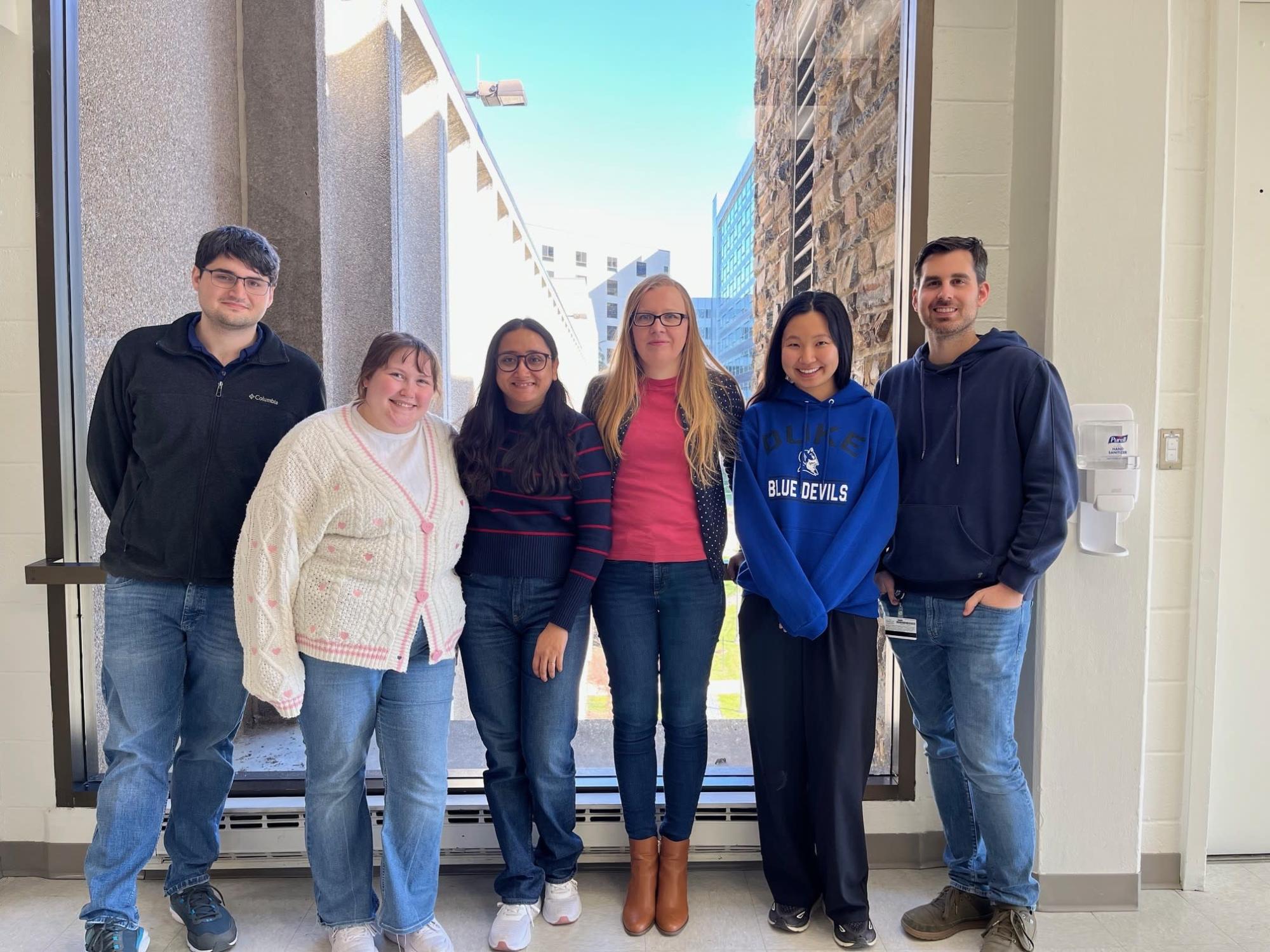
This month, we’re highlighting the lab of Dr. Aleksandra Tata, Assistant Professor at Duke University School of Medicine. The Tata lab uses mouse models, single-cell and spatial transcriptomics, and high-resolution imaging techniques to study pathways governing alveolar regeneration and vascular integrity in the context of lung injury-repair and disease.
Find out more about her lab by visiting her page in our Lab of the Month listing.
|
Welcome to our New Members:
Shadi Abdelaal, Albert Einstein College of Medicine
Trusha Prafulkumar Adeshara, IMVM, TUM
Wendy Duan, University of Alberta
José Gabriel Barcia Durán, NYU Grossman School of Medicine
Francesca Lazzeri-Barcelo, Max Planck Institute for Molecular Biomedicine
Matthijs Luxen, Max Planck Institute for Molecular Biomedicine
Amr Salem, Louisiana State University Health Shreveport
Noorossadat Seyyedi, University of Alberta
Amy Tian, Stanford University
Rongwei Zhao, University of California, San Francisco
|
Recent Member Publications
|
Mitochondrial cargo quality determines the paracrine effects of extracellular vesicles derived from vascular endothelial cells
Biomedicine & Pharmacotherapy
Cell-derived extracellular vesicles (EV) are mediators of intercellular communication with increased circulating levels of endothelial cell-derived EV (EC-EV) reported in cardiovascular diseases (CVD). The EC-EV ability to elicit either detrimental or restorative effects on target EC is thought to be, in part, due to horizontal transfer of their mitochondrial cargo. Read More
Injury-induced connexin 43 expression regulates endothelial wound healing
American Journal of Physiology-Heart and Circulatory Physiology
Endothelial cell (EC) injury is a major contributing factor to vascular surgical failure. As such, understanding the mechanisms of endothelial healing is essential to the development of vascular therapeutics and procedures. Gap junctions formed by connexin 43 (Cx43) are implicated in regulating skin wound healing, but their role in endothelial healing is unknown. Read More
Role of S1P- and Rho-kinase signalling in age-related myogenic tone deficiency in murine resistance arteries
Experimental Physiology
Ageing is a risk factor for cardiovascular and neurodegenerative diseases. The myogenic response in resistance arteries is responsible for basal (myogenic) tone and blood flow autoregulation. G-protein-coupled receptors and G12/RhoA/Rho kinase are implicated in myogenic tone (MT), and we aimed to clarify their role in pressure sensing and ageing. Read More
C1q limits cystoid edema by maintaining basal β-catenin–dependent signaling and blood-retina barrier function
Journal of Clinical Investigation Insight
Macular edema (ME) can cause profound vision impairment and occurs in several prevalent retinal diseases, including diabetic retinopathy, choroidal neovascularization, retinal vein occlusion, and uveitis. Retinal edema typically results from dysfunction of the blood-retina barrier (BRB), which is associated with increased retinal expression of complement components. It is unclear whether the classical complement pathway has detrimental or protective roles in the context of BRB dysfunction. Read More
If you recently published a paper and would like to have it included in a future issue of the NAVBO NewsBEAT and/or on our web site. Please send the citation to membership@navbo.org
|
NSF Policy Brief examines pathways to less burdensome, more effective research regulations
The impact of the scientific enterprise in the U.S. is clearcut and wide-ranging, producing advances in technology, health, security, safety, and economic prosperity. Concern remains that ill-fitting policies and regulations surrounding research are hampering progress and jeopardizing American scientific competitiveness. A recent NSF Policy Briefing titled “Simplifying Research Regulations and Policies: Optimizing American Science 2025” examines current federal research regulations and identifies ways to improve regulatory processes and administrative tasks, reduce or eliminate unnecessary work, and modify and remove policies and regulations that have outlived their purpose while maintaining necessary and appropriate integrity, accountability, and oversight.
NOSTER & Science Microbiome Prize entries invited
The NOSTER & Science Microbiome Prize recognizes innovative research by investigators who received their M.D., Ph.D, or M.D./Ph.D. in the last ten years and are working on the functional attributes of the microbiota. The research can include any organism that has potential to contribute to our understanding of human or veterinary health and disease, or to guide therapeutic interventions. The winner and finalists will be chosen by a committee of independent scientists, chaired by a senior editor at Science. The top prize includes a USD 25,000 cash award and publication of the winning essay in Science magazine. Entries are due February 14, 2026.
Emergency modifications to NIH peer review
In spite of the cancellation of nearly 400 peer review meetings between October 1, 2025 and November 14, 2025, NIH has announced plans to review all applications submitted for the January 2026 Councils (e.g., applications that were submitted to due dates in summer 2025) and aspires to maintain the quality of said review. Catching up will entail arranging peer review of more than 24,000 applications and rescheduling lapsed study sections, necessitating emergency modifications to NIH review processes and policies. Mods include reducing the percentage of applications discussed in most meetings (more triaged applications) and simplifying summary statements. The NIH stresses that an application’s likelihood of funding will not be affected by these changes and that reviewers’ full critiques will continue to be available to applicants.
|
Call for Papers and Awards
|
Frontiers In Cardiovascular Medicine Research Topic:
Advances in Vascular Malformations: From Molecular and Cellular Mechanisms to Clinical Therapies and Management
Topic Editors: Jennifer Fang, Elisa Boscolo, Miguel Lopez-Ramirez, Alexandre Dubrac
NAVBO is sponsoring this Research Topic through our partnership with Frontiers in Cardiovascular Medicine.
Vascular malformations refer to a wide range of structural abnormalities that can affect all vessel types in the blood and vascular lymphatic trees – including arteries, capillaries, and veins. Vascular malformation diseases can be inherited or can occur spontaneously; however, in all cases, resulting vascular lesions can significantly compromise cardiovascular and organ function and reduce patient quality-of-life.
In this Research Topic, we aim to gather contributions from scientists and clinicians to share recent advances in our understanding of the biology and treatment of vascular malformations. Ultimately, our goal is to accelerate the development of new therapeutic treatments for patients with vascular malformations affecting blood or lymphatic vessels.
Specific areas of interest are listed on the webpage:
The deadline for manuscript submission is March 30, 2026.
Header image credit: Dr. Elisa Boscolo
|
Frontiers In Cardiovascular Medicine Research Topic:
Cardiovascular Mechanobiology: Molecular Mechanisms, Disease Pathogenesis, and Therapeutic Opportunities
Topic Editors: Yun Fang, Ellie Tzima, Hanjoong Jo, Roxana Ola
NAVBO is sponsoring this Research Topic through our partnership with Frontiers in Cardiovascular Medicine.
Mechanotransduction—the process by which cells detect and convert mechanical stimuli into biochemical signals—is essential for embryonic development, organogenesis, and the maintenance of tissue homeostasis. It also plays a pivotal role in disease progression. This is especially true in the cardiovascular system, where cells are constantly exposed to complex mechanical forces, including shear stress, cyclic stretch, and pressure. In addition to these biomechanical stimuli, cardiovascular cells respond to cues from the extracellular matrix (ECM) in a dynamic, three-dimensional microenvironment. Notably, these cells not only sense and respond to mechanical forces of varying magnitude, direction, and frequency but also actively participate in remodeling their biomechanical surroundings.
Disruption of mechanosensitive signaling pathways and alterations in tissue biomechanics are increasingly recognized as key contributors to the development and progression of a wide range of cardiovascular diseases, including—but not limited to—atherosclerosis, vascular stenosis, cardiac hypertrophy, heart failure, fibrosis, thrombosis, valvular disorders, arteriovenous malformations, aneurysms and dissections, microvascular dysfunction, and hypertension. A deeper understanding of the molecular and cellular mechanisms underlying mechanotransmission and mechanotransduction is essential for advancing cardiovascular biology and for the development of novel diagnostic, prognostic, and therapeutic strategies.
This Research Topic aims to bring together cutting-edge original research and comprehensive reviews that highlight the central role of mechanobiology in cardiovascular health and disease. By bridging fundamental mechanobiology with translational science, we seek to foster innovation in both the foundational understanding of mechanotransduction and the development of next-generation diagnostics and therapeutics.
Specific areas of interest are listed on the webpage
The deadline for manuscript submission is January 5, 2026.
|
BMC Biology is calling for submissions to theirr Collection on vasculogenesis and angiogenesis in vivo and in vitro. This Collection aims to bring together cutting-edge research that explores the cell and molecular mechanisms and therapeutic applications of blood vessel formation in health and disease. Tara Haas, York University, is one of the guest editors. Deadline for submission is February 22, 2026. Download the flyer for more information.
|
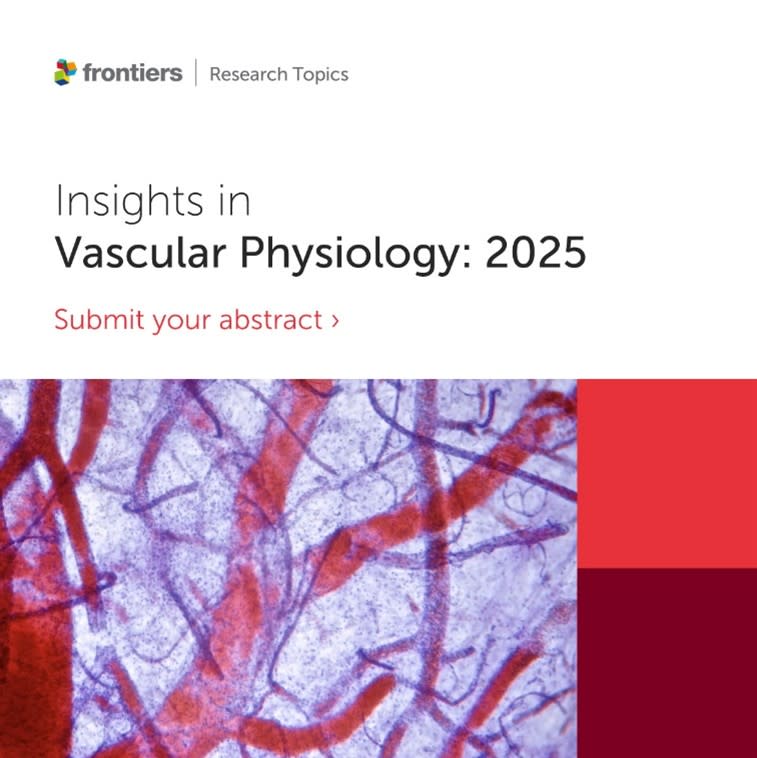
This Research Topic will constitute the second volume of the Insights in Vascular Physiology series. The 2025 volume invites submissions of original papers, reviews, or perspectives on such topics as abdominal aortic aneurysm, impact of microbiome on vascular physiology, cerebral microcirculation, and coronary microcirculation (see the link below for full topics list). This issue is edited by Drs. Luis A. Martinez-Lemus, University of Missouri, Columbia, USA; Christopher Garland, University of Oxford, Oxford, UK; Francesco Moccia, University of Molise, Campobasso, Italy; and Andrew P Braun, University of Calgary, Calgary, Canada.
Frontiers | Insights in Vascular Physiology: 2025,
|
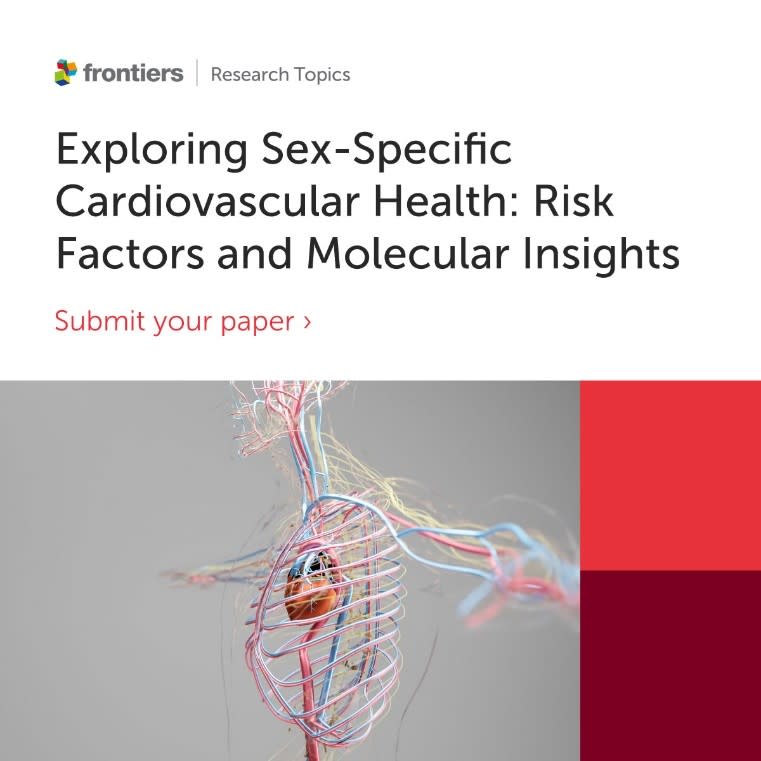
This collection focuses on the biochemical determinants and risk factors that contribute to the sex differences in cardiovascular disease initiation, development, presentation, and diagnosis. Specific areas of interest include coronary disease, microvascular dysfunction, hormonal and non-hormonal mechanisms of sex-related cardio protection, vascular biomechanics, and impacts of gender (as distinct from biological sex) and related lifestyle on cardiovascular health. The topic editors are Drs. Irena Levitan, University of Illinois Chicago, Catherine Martel, Universite de Montreal, and Benard Ogola, Augusta University. Frontiers | Exploring Sex-Specific Cardiovascular Health: Risk Factors and Molecular Insights.
Submission Deadline January 2026
|
| December 11, 2025 |
InFocus - Modelling Vascular Diseases |
| December 16, 2025 |
Symposium: Immune Regulation of the Cardiovascular System |
| December 18, 2025 |
Journal Club - December 2025 |
| January 8, 2026 |
Webinar Featuring Springer Award Winner Callie Kwartler, Ph.D. |
| January 9 - 11, 2026 |
VISION 2026 |
| January 22, 2026 |
Journal Club - January 2026 |
| February 10 - 12, 2026 |
Specification of Endothelial Cell Phenotypes |
| February 16 - 19, 2026 |
EMBL Conference: The new cardiobiology: engineering, vascular and molecular insights |
| April 27 - 28, 2026 |
10th annual Stanford Drug Discovery Symposium |
|
North American Vascular Biology Organization
18501 Kingshill Road
Germantown, MD 20874-2211
(301) 760-7745
info@navbo.org
|
|