|
View this Newsletter Online |
|
|
|

|
January 2026 |
|

|
President's Message |
|
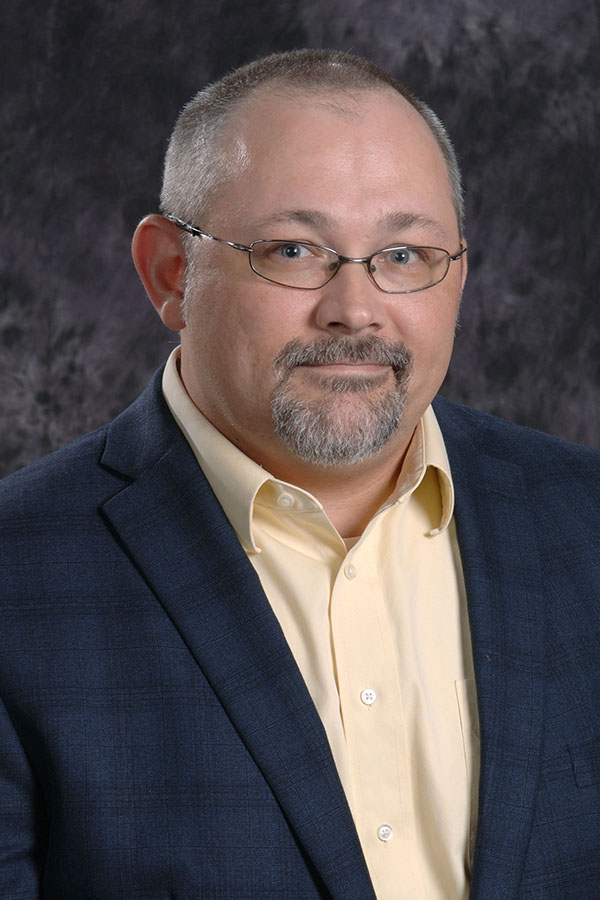
Happy New Year, NAVBO! I hope everyone enjoyed their holiday break and got the chance to start 2026 as rested and refreshed as I did. Thank you to everyone who supported NAVBO on Giving Tuesday. Your gifts power the programs that keep our community strong, from trainee short talks and virtual InFocus sessions to mentoring programs and the Vascular Biology Academy. We had an incredible list of donors, underscoring the strength and generosity of our community. Sincerely, thank you all.
Looking ahead, I am excited about our February Virtual Workshop, “Specification of Endothelial Cell Phenotypes.” We will bring together colleagues across development, |
|
inflammation, metabolism, and mechanobiology to explore how endothelial identity is established and reshaped in health and disease, with invited talks, trainee presentations, and plenty of discussion. If you mentor trainees, please encourage them to participate and be part of the conversations. We are also continuing our call for volunteers to serve on NAVBO committees (click here if interested). If you have been looking for a way to get more involved, this is a great time to raise your hand and help shape our programming.
Wayne Orr, PhD |
|
|
2026 Benditt Award Recipient |
|
|
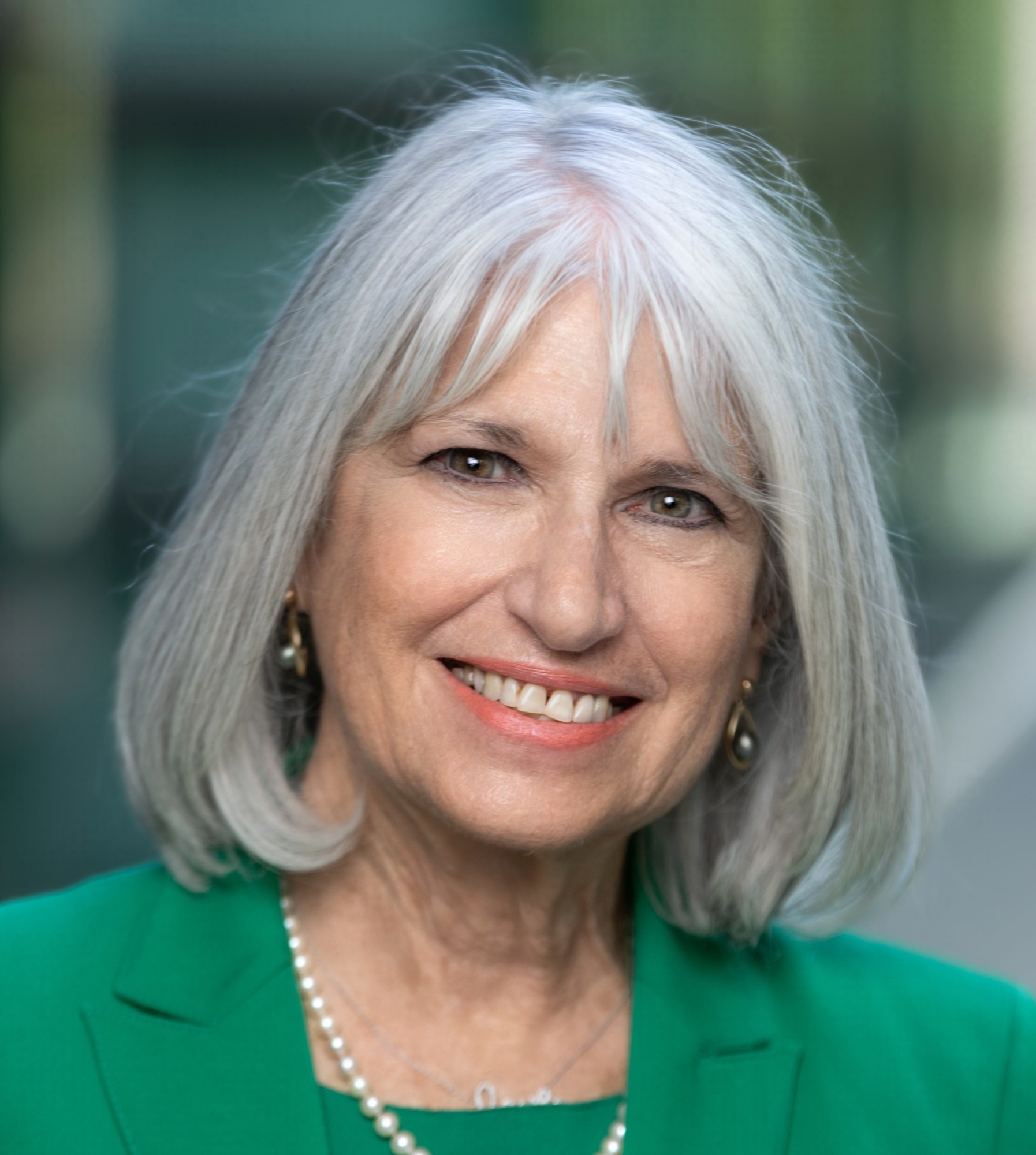
NAVBO is pleased to announce the selection of Marlene Rabinovitch, MD, as the 2026 recipient of the Earl P. Benditt Award, in recognition of her numerous contributions to our understanding of pulmonary arterial hypertension and other cardiovascular diseases. Dr. Rabinovitch is the Dwight and Vera Dunlevie Professor of Pediatric Cardiology at Stanford and Director of the Basic Science and Engineering Initiative at the Betty Irene Moore Children’s Heart Center. Dr. Rabinovitch will present the Benditt Lecture and receive the award at Vascular Biology 2026 in Pacific Grove, California, in October. |
|
2026 Folkman Award Recipient |
|
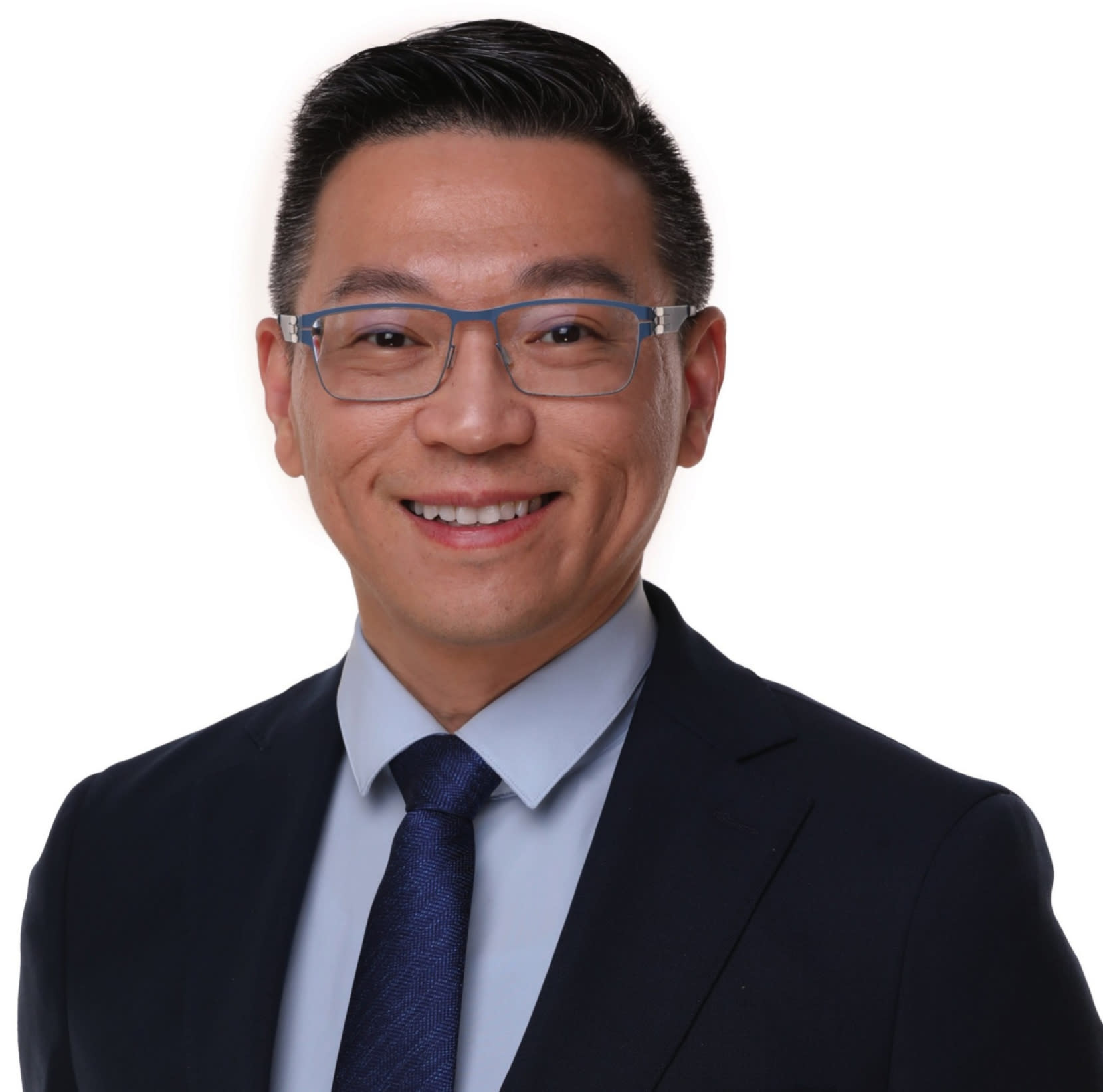
NAVBO announces with pleasure the selection of Yun Fang, PhD, as the recipient of the 2026 Judah Folkman Award in Vascular Biology. This award recognizes outstanding contributions from vascular biologists who are at mid-career (within fifteen years of their first faculty appointment). Dr. Fang is currently Professor of Medicine at the University of Chicago Pritzker School of Medicine. Dr. Fang will present the Folkman Award Lecture and receive the award at Vascular Biology 2026 in Pacific Grove, California at the Asilomar Conference Grounds (October 18 - 22, 2026). |
|
|
Call for Nominations |
|
|
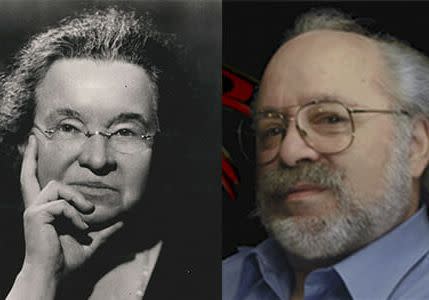
We are seeking nominations from the membership for the 2026 Stephen Schwartz and Florence Sabin Awards, which will be presented at Vascular Biology 2026 in October. Nominations are due March 16, 2026. |
|
Thank you for your Contribution |
|
We'd like to thank our members for their generous contributions to our 2025 Giving Tuesday Campaign: Masanori Aikawa, Brigham and Women's Hospital Victoria Bautch, University of North Carolina at Chapel Hill Hong Chen, Boston Children's Hospital, Harvard Medical School Nicholas Gale, Retired Avishek Ghosh, Boston Children's Hospital Mallika Ghosh, University of Connecticut Health Center Michael Gimbrone, Brigham and Women's Hospital, Harvard Medical School Courtney Griffin, Oklahoma Medical Research Foundation Carmen Halabi, Washington University School of Medicine Jeffrey Hsu, University of California Los Angeles Zhen Jiang, Boston University School of Medicine Susan Lessner, University of South Carolina Bill Muller, Northwestern University Feinberg School of Medicine Kevin Pumiglia, Albany Medical College Carrie Shawber, Columbia University Irving Medical Center Calvin Vary, MaineHealth Mary Wallingford, Marine Biological Laboratory Tong-You Wei, University of California San Diego Ke Yuan, Boston Children’s Hospital Wei Zhang, Temple University Youyang Zhao, Mountview Therapeutics LLC Plus other generous members who wish to remain anonymous. Thank you!!
These funds, over $10,000 will be used to support educational activities like our high school video series, Vascular Biology Academy, as well as journal clubs, webinars, career development forums, other online events, and scholarships for trainees attending Vasculata and other relevant meetings. |
|
Virtual Workshop - February 2026 |
|

|
The image is cropped from a panel in Liu Z et al (2024). Angiogenesis
The full program is now available on the web site - go to https://navbo.org/feb2026. If you can't attend the live stream, register and watch the recordings. All registrants will receive a link to the recordings on February 13. Recordings will be available for viewing through March 13. Don't miss it!
NAVBO trainee members can register for only $100! NAVBO regular members pay only $175 - versus non-members who pay $300.
Register online up to February 12 - register now! |
|
Trainee Travel Awards |
|
Travel Funds Available for NAVBO Trainee Members Additional information and an application can be found on our web site at https://navbo.org/Trainee-Awards. |
|
Thank you to Supporters of VB2025 |
|

|

|
|
|

|
|
|

|
The Angiogenesis journal supports the Springer Junior Investigator Award |
|
Spotlight on Trainees |
|
Higher ed labors to adapt to the shifting landscape for enrolling international students Johanna Alonso describes in Inside Higher Ed the steps that US institutions have taken to remain viable destinations for international students and scholars. Admissions decisions by schools are being made presently, and soon to follow will be hopeful student efforts to secure a visa to study in the US. In order to cope with limits on student visas, schools are exploring new recruitment strategies, such as focusing on countries less affected by administrative delays or launching new branch campuses to reach international students in their home countries. The number of new international students enrolled in US institutions in fall 2025 dropped by 17% compared to the year before. The US remains a desirable place to study, although many prospective students have misgivings about the security of student experience here. |
|
Lab of the Month |
|
|
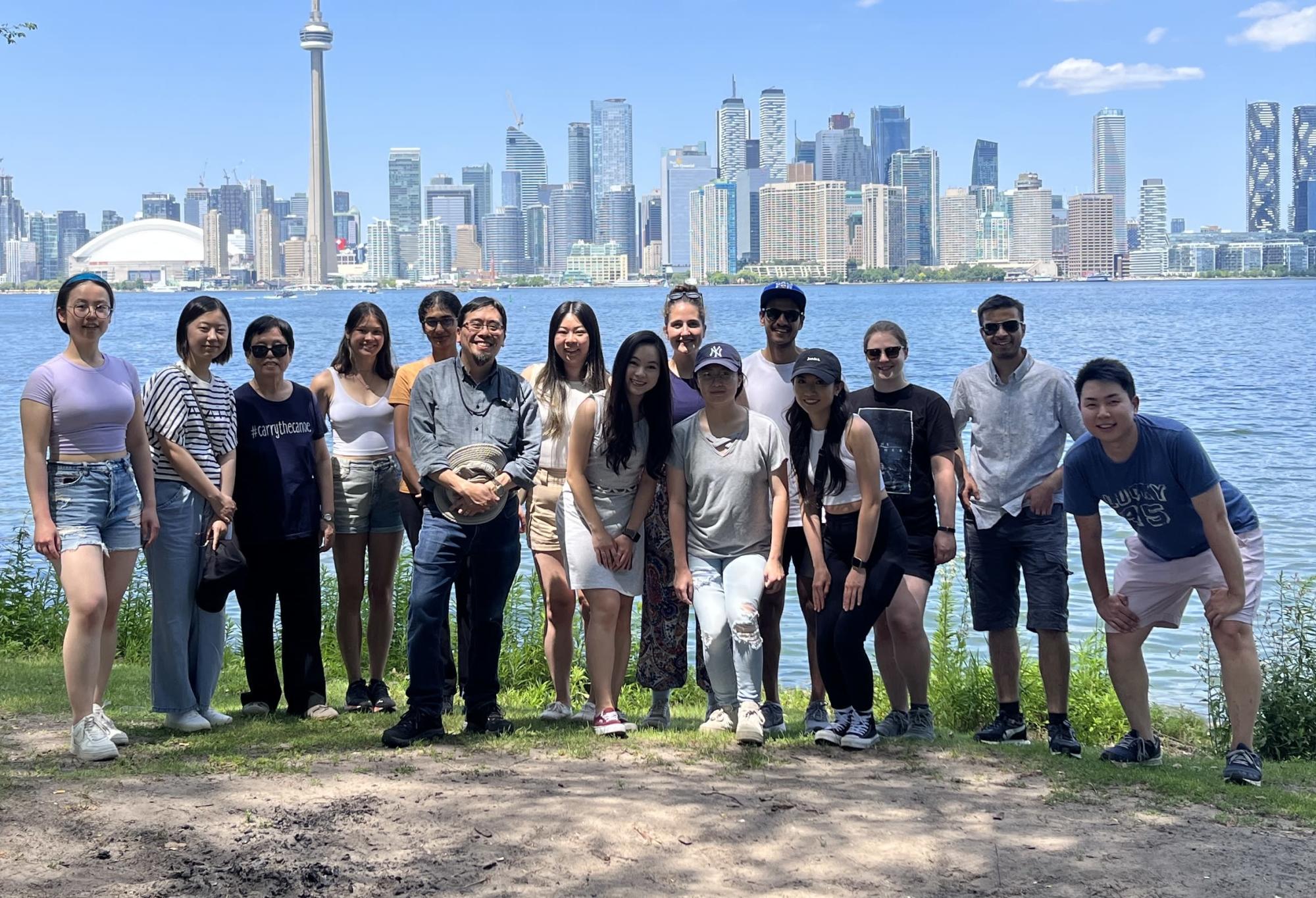
This month we’re highlighting the lab of Dr. Warren Lee, Professor at the University of Toronto. The Lee Lab utilizes microscopy in conjunction with traditional biochemical and molecular biology approaches to study how endothelial cell permeability is controlled in inflammatory settings, such as pathogen-induced lung injury.
|
|
Member News |
|
Welcome to our New Members: Aneel Bhagwani, Weill Cornell Medicine Cassandra Clift, Medical University of South Carolina Lucija Fleisinger, University of Oxford Christy Ho, University Health Network Xiwen Jia, Soochow University Prachi Joshi, Yale Cardiovascular Research Center Mauricio Lillo, Rutgers University David Maestas Jr., University of Pittsburgh Stephanie McDonnell, University of California, San Francisco Faith Oladejo, University of Illinois, Chicago Laura Parma, Ludwig-Maximilians-Universität München Changwei Peng, Harvard Medical School Ariel Polizio, University of Virginia Roshanak Rahimian, University of the Pacific Eileen M Redmond, University of Rochester Medical Center Krishna Rentachintala, University of South Florida Anjali Trivedi, Weill Cornell Medical College Margherita Zamberlan, Northwestern University |
|
Recent Member Publications |
|
Pretreatment Circulating Vascular Biomarkers Predict Cancer Therapy–Related Cardiac Dysfunction During HER2+ Breast Cancer Treatment Background: Blood biomarkers to predict cancer therapy–related cardiac dysfunction (CTRCD) risk remain limited. Objectives: The aim of this study was to identify circulating biomarkers associated with CTRCD risk in HER2+ breast cancer patients. Read More
Three-dimensional printing of bioengineered scaffolds to support skeletal muscle regeneration Volumetric muscle loss (VML) is a debilitating injury to skeletal muscle that compromises daily function and quality of life. One strategy for treating VML is the use of scaffolds to replicate the lost extracellular environment and provide the necessary biological cues to guide the restoration of muscle structure, vascular supply, innervation, and contractile function. Read More
Sphingosine kinase 1 is integral for elastin deficiency-induced arterial hypermuscularization Deficiency of elastin (ELN), the major component of elastic fibers, leads to excess smooth muscle cells (SMCs), which characterizes arterial diseases (for example, supravalvular aortic stenosis (SVAS)) as well as physiological ductus arteriosus (DA) closure. Here we demonstrate that sphingosine kinase 1 (SPHK1) is a key node in these contexts. Read More
Expression of mutant TIE2 p.L914F during mouse development causes embryonic lethality and defects in vascular remodeling Sporadic venous malformation (VM) is associated with the hyperactivating p.L914F mutation in TIE2, a receptor tyrosine kinase essential for vascular development. This mutation is not found in hereditary VM, suggesting incompatibility with life when expressed during early vascular development. Read More
Semaphorin 3A and 3F Promote Lumen Expansion in TIE2-Mutated Venous Malformation Venous malformations (VMs) are developmental defects of the vasculature characterized by tremendously enlarged and dysfunctional veins. Gain-of-function somatic mutations in TIE2 (endothelial tyrosine kinase receptor) have been identified as the leading driver of VM pathogenesis. Read More
Extracellular vesicles in preeclampsia: drivers of vascular dysfunction and inflammation Vascular inflammation, augmented vasoconstriction, reduced vasodilatory capacity, and endothelial dysfunction are cardinal features of the maternal vascular dysfunction phenotype in preeclampsia. Extracellular vesicles (EVs), bioactive molecules loaded with proteins, glycans, lipids, and nucleic acids facilitate intracellular signaling and cell-to-cell cross talk. Read More
If you recently published a paper and would like to have it included in a future issue of the NAVBO NewsBEAT and/or on our web site. Please send the citation to membership@navbo.org |
|
Industry News |
|
Congressional support for science funding beginning to emerge Writing in the Washington Post, William Broad reports that the US Congress is working to reverse the numerous cuts to federal science programs that the Trump administration proposed in its FY2026 budget draft. If adopted, that budget would cut federal support some 22% ($198 billion to $154 billion). Earlier in January, the Senate Appropriations Committee released a bipartisan counter-proposal that blunts the planned cuts. Other forecasts of congressional action see a potential increase in funding for basic research, as opposed to the 30%+ cuts proposed by the executive branch. Time will tell where the line will end up, as Congress is still far from adopting a budget for the ongoing fiscal year.
Science & PINS Prize for early-career researchers in neuromodulation The Science & PINS Prize, awarded for innovative research involving the modulation of neural activity through physical stimulation of targeted sites, is accepting applications from junior investigators (advanced degree received in the last 10 years and 45 years or younger). Application materials include a 1000-word essay describing work done by the applicant within the past 3 years and implications of the work for neuromodulation. Deadline for entry of applications for the $25,000 prize is March 15, 2026.
FDA releases ‘Guiding Principles of Good AI Practice in Drug Development’ The US Food and Drug Administration’s Center for Drug Evaluation and Research, in concert with the European Medicines Agency, has issued a set of ten principles to inform the growing use of artificial intelligence in drug development. These include keeping human ethics, safety, and agreed-upon values foremost, prospective risk mitigation, data security, and accessibility of information. The effort is intended “…to lay the foundation for developing good practice that addresses the unique nature of these technologies.” |
|
Call for Papers |
|
|
Frontiers In Cardiovascular Medicine A NAVBO sponsored Research Topic |
|
This Research Topic aims to highlight advances spanning the full continuum of atherosclerosis research, from fundamental science through translational research to clinical implementation. Areas of particular interest include novel molecular mechanisms, new therapeutic targets, and the use of single-cell and spatial technologies to dissect vascular and immune cell heterogeneity. We also welcome studies exploring epigenetic and non-coding RNA regulation, the roles of systemic metabolism and the gut microbiome, as well as sex-specific mechanisms in vascular disease. Click here for more information. Manuscript Submission Deadline 2 July 2026 |
|
|
|
Frontiers In Cardiovascular Medicine A NAVBO sponsored Research Topic
The complexity of signaling pathways and post‑translational modifications has expanded dramatically, yet translating these advances into cardiovascular medicine remains difficult due to chronic disease dynamics, resistance, and the overlapping nature of regulatory networks. Integrating AI‑driven modeling and machine learning offers a promising way to decode complex networks and inspire transformative directions for future research and clinical innovation. Therefore, this Research Topic is designed to provide a dedicated platform for transformative thinking, welcoming submissions that push boundaries and offer fresh perspectives on signaling and post-translational modification in health and disease. For more information, click here. Manuscript Submission Deadline 5 July 2026 |
|
|
|

|
Frontiers In Cardiovascular Medicine Advances in Vascular Malformations: From Molecular and Cellular Mechanisms to Clinical Therapies and Management
In this Research Topic, we aim to gather contributions from scientists and clinicians to share recent advances in our understanding of the biology and treatment of vascular malformations. Ultimately, our goal is to accelerate the development of new therapeutic treatments for patients with vascular malformations affecting blood or lymphatic vessels.
Specific areas of interest are listed on the webpage: The deadline for manuscript submission is March 30, 2026. Header image credit: Dr. Elisa Boscolo |
|
|
|
Frontiers In Cardiovascular Medicine A NAVBO sponsored Research Topic
Specific areas of interest are listed on the webpage The deadline for manuscript submission is April 29, 2026. |
|
|
|
|
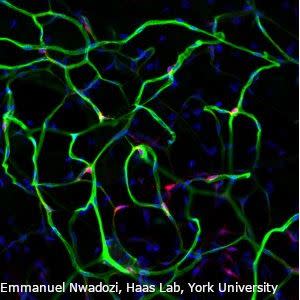
BMC Biology is calling for submissions to theirr Collection on vasculogenesis and angiogenesis in vivo and in vitro. This Collection aims to bring together cutting-edge research that explores the cell and molecular mechanisms and therapeutic applications of blood vessel formation in health and disease. Tara Haas, York University, is one of the guest editors. Deadline for submission is February 22, 2026. Download the flyer for more information.
|
|
|
|
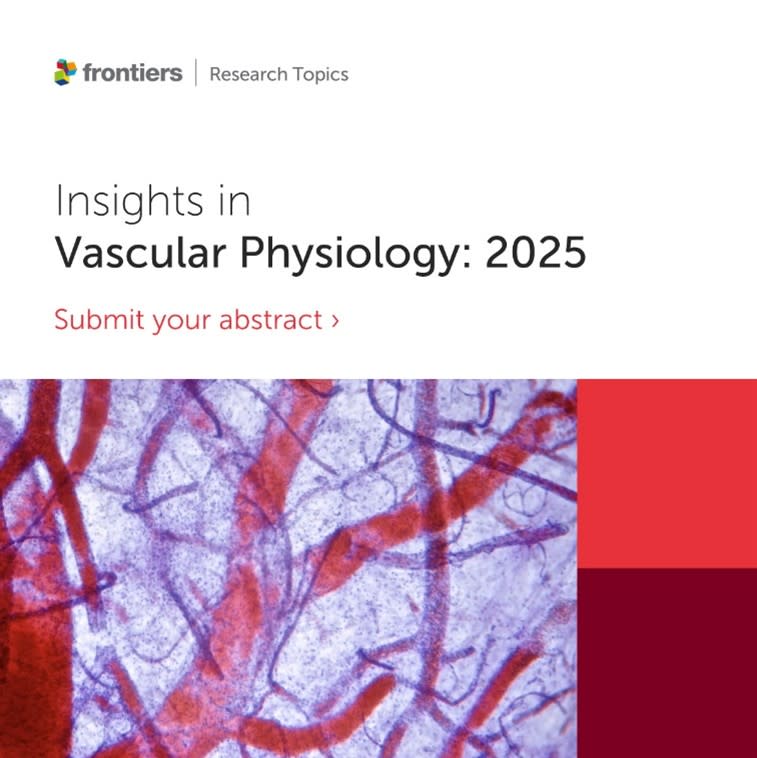
This Research Topic will constitute the second volume of the Insights in Vascular Physiology series. The 2025 volume invites submissions of original papers, reviews, or perspectives on such topics as abdominal aortic aneurysm, impact of microbiome on vascular physiology, cerebral microcirculation, and coronary microcirculation (see the link below for full topics list). This issue is edited by Drs. Luis A. Martinez-Lemus, University of Missouri, Columbia, USA; Christopher Garland, University of Oxford, Oxford, UK; Francesco Moccia, University of Molise, Campobasso, Italy; and Andrew P Braun, University of Calgary, Calgary, Canada. |
|
|
|
|
|
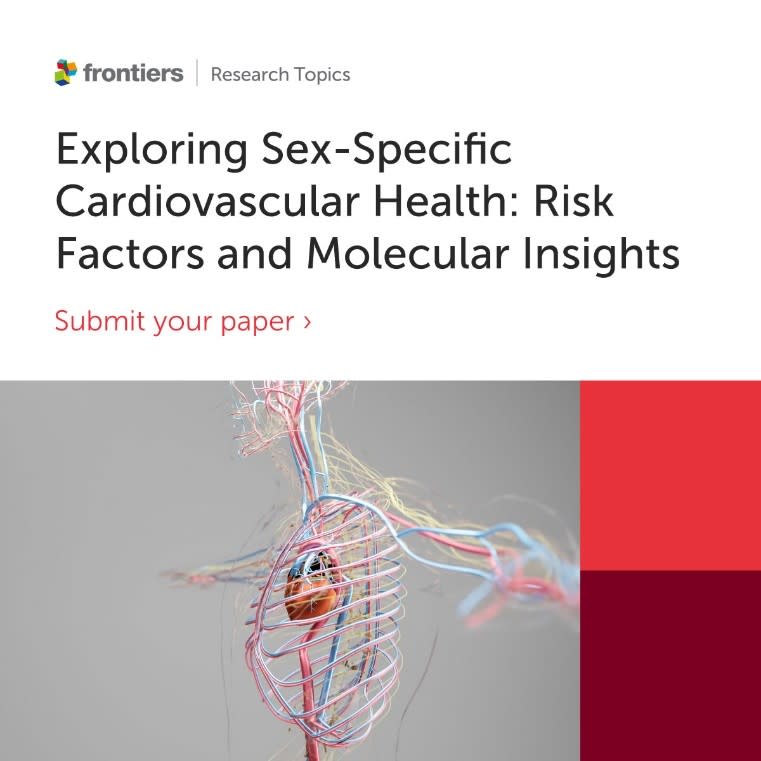
This collection focuses on the biochemical determinants and risk factors that contribute to the sex differences in cardiovascular disease initiation, development, presentation, and diagnosis. Specific areas of interest include coronary disease, microvascular dysfunction, hormonal and non-hormonal mechanisms of sex-related cardio protection, vascular biomechanics, and impacts of gender (as distinct from biological sex) and related lifestyle on cardiovascular health. The topic editors are Drs. Irena Levitan, University of Illinois Chicago, Catherine Martel, Universite de Montreal, and Benard Ogola, Augusta University. Frontiers | Exploring Sex-Specific Cardiovascular Health: Risk Factors and Molecular Insights. |
|
NAVBO Corporate Partners |
|

|

|

|

|
|

|
NAVBO Corporate Member |
|
|
Calendar of Events |
|
|
Job Postings |
|
Have an open position that you would like to see listed here? NAVBO members receive deep discounts on their posts. Submit your open position today! |
|
|
|


|
North American Vascular Biology Organization |