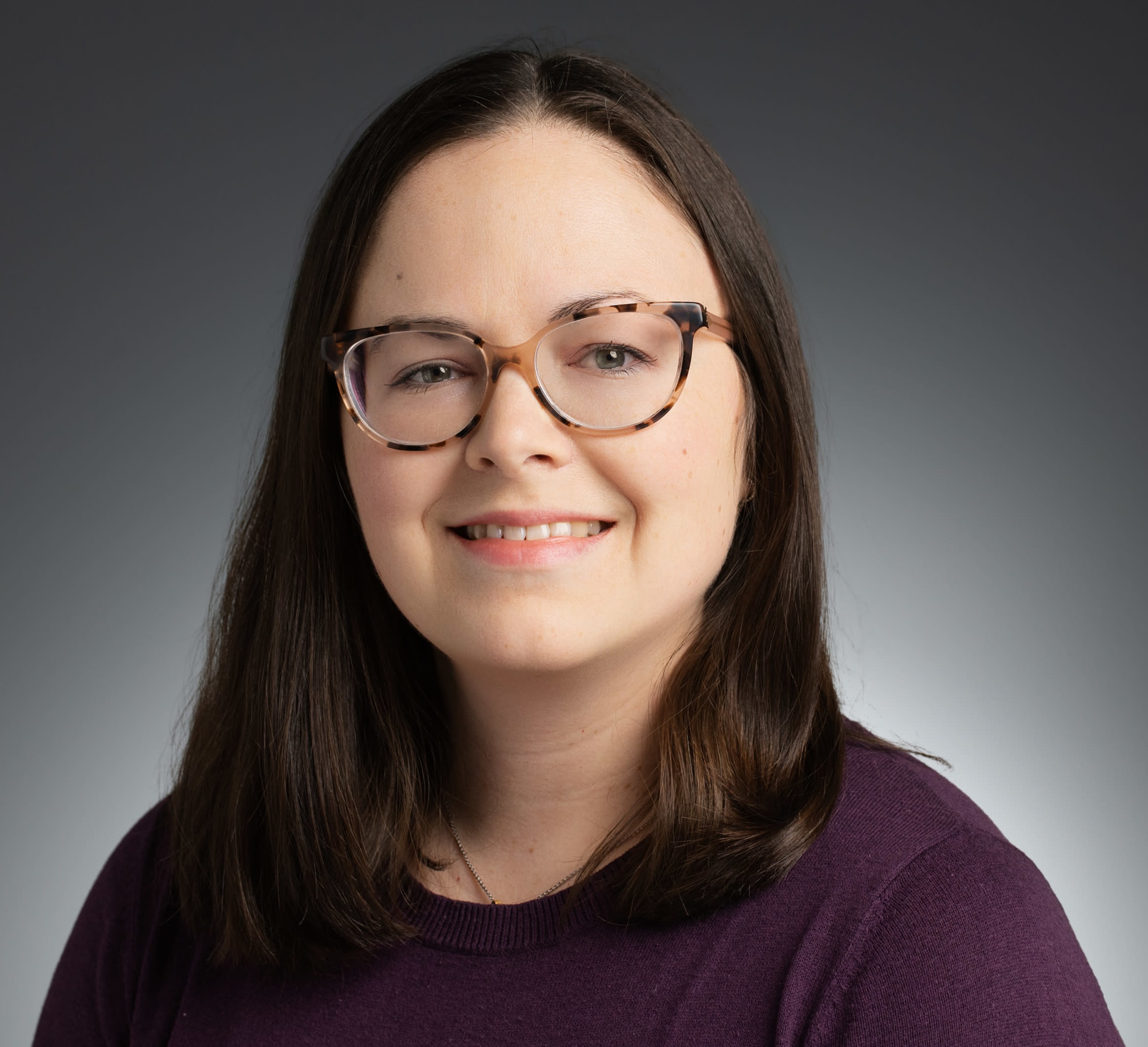
Long-term effects of endothelial heterogeneity and plasticity on tissue repair
Thursday, June 4, 2026 (1:00 PM - 2:00 PM) (EDT)
Description
Join us for a webinar featuring Terren Niethamer, Ph.D., Assistant Professor from Yale University. The title of her talk is "Long-term effects of endothelial heterogeneity and plasticity on tissue repair." Abstract: Abstract: Acute respiratory infections increase the risk of cardiovascular disease, and vascular dysfunction is a hallmark of many lung diseases. However, the mechanisms that induce pulmonary endothelial cell (EC) dysfunction in respiratory infections and the effects of abnormal EC phenotypes on long-term function remain incompletely understood. To test the hypothesis that aberrant EC states arising during infection impair vessel structure, tissue repair, and lung function, we created a longitudinal atlas of lung repair after influenza A virus (IAV) infection in mice using single-cell RNA sequencing. We identified an injury-induced capillary (iCAP) EC state that persists indefinitely and is characterized by an inflammatory and glycolytic gene signature. We found similar EC gene signatures in human lung diseases, including our data from COPD and alpha-1 anti-trypsin deficiency (AAT) and published data from pulmonary fibrosis and pulmonary hypertension, suggesting that this may be a common EC response to lung injury. Our results indicate that iCAPs are associated with regions of severe tissue damage and likely contribute to dysplastic, rather than functional, tissue repair. Our ongoing work aims to define the mechanisms of iCAP induction and reversal using mouse genetics and pharmacological inhibition in mouse and human primary endothelial cells and to determine the effect of injury-induced endothelial states on lung vessel structure and function. Reversing the iCAP EC state could promote functional lung repair and prevent the development of chronic lung or cardiovascular disease.
Images

NAVBO Online
Webinar Series