|
View this Newsletter Online |
|
|
|

|
August 2026 |
|

|
President's Message |
|

|
Dear NAVBO Members,
I hope you are enjoying these last days of summer before the fall semester begins.
|
|
and potential midstream terminations, helping to safeguard our collective scientific progress.
Registration for Vascular Biology 2026 is officially open, and our registration numbers are up compared to this point in time last year! As we finalize our program, we are actively seeking institutional support; if you would like assistance or materials to request sponsorship funds from your department or institution, please reach out to me or Mitzy.
Warmly, Cynthia St. Hilaire, PhD, FAHA President, NAVBO |
|
Meet our New Councilor |
|

|
Dr. Miranda Good
|
|
But my lab persevered and we received a NIA R21, a Foundation for Women’s Wellness grant, and an AHA post-doctoral fellowship for my post-doc Dr. Mauro that kept us going. I can now say that we FINALLY have been successful in getting an R01 for the lab!!! Only took a pandemic, a kid, 6 years, and probably a lot of my sanity, but we are finally on our way! We also have a pending R03 that we should have the NOA for by the time you read this!
My lab examines the role of endothelial Pannexin1 during ischemic stroke recovery and how it contributes to dementia. Importantly, we examine the changes in vascular function and vascular-mediated inflammation in young and aged, and male and female mice, cells, and tissue.
I look forward to serving as a council member for NAVBO and to give back to the vascular community that has always been inclusive and supportive throughout my career. |
|
Join New Public Affairs Committee |
|
As we navigate changes to federal funding and policy, NAVBO has formed a Public Affairs Committee, which will be dedicated to keeping our organization and members informed as we navigate this dynamic environment.
We are currently seeking volunteers to join! Click here to learn more about the committee. If you have an interest in public policy and advocacy, we invite you to consider applying. Please note, in order to protect our members, the names of committee members will not be publicized.
If you are interested in joining, please fill out the committee application form by August 18, 2026. If you have any questions, please reach out to mitzy@navbo.org |
|
Spotlight on Trainees |
|
Institutions digesting modified policies affecting duration of student visas US Department of Homeland Security has published rule changes that replace “duration of status” visa admissions with fixed end dates (e.g., allow four years maximum to complete a PhD program), requiring international students and exchange visitors to file formal visa extension applications, shorten grace periods, and impose new limits on program changes. International Student Affairs offices across the US presently are laboring to interpret and incorporate the modified rules into their practices around recruiting, admitting, and advising international students, all of which may have significant impacts of higher ed in the sciences in the US. |
|
Congratulations to NAVBOI IVBM Travel Award Winners |
|

|
Cyrine Ben Dhaou of the Louisiana State University Health Sciences Center Shreveport will present her abstract, "Role of endothelial Nck1 in atherosclerosis and metabolic-associated steatotic liver disease," in the Poster Sessions. |
|

|
Swarnadip Ghosh of the National Centre for Biological Sciences will present his abstract, "Blood flow-induced mechano-transduction shapes pial collateral artery network," in the Endothelial Cell Responses to Mechanical Signals Session on Monday, September 7th at 3:45pm. |
|

|
Natalia Obacz of University of Illinois College of Medicine will present her abstract, "Lymphatic vessels are altered by JAG1-positive breast tumor cells promoting lymphovascular invasion and lymph node metastasis," in the Poster Sessions. |
|

|
Mark Renton of Virginia Tech will present his abstract, "Defining the progression of arterial injury and neointima formation: role for macrophage-smooth muscle cell connexin 43 gap junctions," in the Poster Sessions. |
|

|
Mariaelena Valentino of Northwestern University will present her abstract entitled "Decoding regional vulnerability to inflammation in the brain vasculature" in the Neuroinflammation Session on Tuesday, September 8th at 3:45pm. |
|

|
Lola Zerbib of National Institute of Health will present her abstract entitled "Activating variants in RIT1 cause central conducting lymphatic anomaly" in The genetic basis of lymphatic vascular disorders Session on Tuesday, September 8th at 12:30pm. |
|
2026 Meetings |
|

|

|
Technology Showcase at Vascular Biology 2026 Lucid Scientific makes Resipher, a continuous mitochondrial respiration monitoring technology for live cells, tissues, and small model organisms including zebrafish embryos. The sensing lid sits on a standard 96-well plate inside your incubator or hypoxic chamber, tracking metabolic shifts for days or weeks without labels and without disturbing the cells. Learn more at Vascular Biology 2026 during their session “Live, Long-term Mitochondrial Respiration with Resipher” on October 20 at 3:45 p.m.! |
|
|
|
Thanks to Our Co-Sponsor and Supporters for Vascular Biology 2026 |
|

|

|

|
|
|

|
Did You Know . . . |
|

|
Member News |
|
Welcome to our New Members: Jules Allbritton-King, Harvard Medical School Ryan Bench, San Diego State University Catherine Bland, University of Manitoba Kiara Bornes, UTHealth Houston Luke Brewster, University of Cincinnati and Cincinnati VAMC Michael Clark, Emory University Derek Dang, University Health Network - Toronto Hannah Durr, University of Illinois Chicago Miles Eckrich, University of Illinois Chicago Rhiannon Edwards, Johns Hopkins University Byambasuren Enkhtuul, Medical College of Wisconsin Jose Esparza Pinelo, The University of Texas Health Science Center at Houston Evan Feeldy, South Dakota State University Kaitlyn Ford, Seattle Children's Research Institute Meysam Ganjibakhsh, Nationwide Children's Hospital Jeison Garcia-Serrano, The University of Texas Health Science Center at Houston Beatriz Góes-Santos, University of Sao Paulo Angie Gonzalez, The University of Texas Health Science Center at Houston Brian Havens, Washington University School of Medicine Yiping Jia, University of Southern California Santosh Karnewar, University of Georgia Vaishnavi Karnewar, University of Georgia Kaveeta Kaw, Emory University Laszlo Kovacs, Medical College of Georgia at Augusta University Nile Laake, South Dakota State University Heyun Lee, Washington University in St. Louis Kyungsene Lee, Brigham and Women's Hospital Susan Lin, Washington University in St. Louis Patricio Mujica, Rutgers New Jersey Medical School Brian Palmisano, University of Oklahoma Health Sciences Center Yogi Pratama, NYU Langone Health Abraham Quaye, Louisiana State University Health Shreveport Amado Quintar, Albert Einstein College of Medicine Mohammad Moshiur Rahman, University of the Pacific Elena Repges, Brigham and Women's Hospital Kangsan Roh, Massachusetts General Hospital and Harvard Medical School Deblina Sain, University of California San Francisco Shreoshi Sengupta, Boston Children's Hospital/Harvard Medical School Justine Shamber, University of Pittsburgh Prafulla Shrestha, South Dakota State University Beatriz Sosa-Pineda, Northwestern University Amy Stark-Boal, University of Michigan James Stupin, Virginia Tech Santosh Reddy Sukka, Columbia University Kyla Vazquez, University of Arizona Sarah Zhang, University at Buffalo - SUNY |
|
Recent Member Publications |
|
Derivation of functional retinal endothelial cells from human pluripotent stem cells for therapeutics and modelling Retinal microvascular diseases involve a compromised inner blood–retina barrier (iBRB), which remains poorly understood. A renewable source of human iBRB endothelium is thus vital for advancing eye research and treatment development. Read More
Vascular Endothelial Growth Factor-D Improves Lung Vascular Integrity During Acute Lung Injury Disorders in pulmonary vascular integrity are a prominent feature in many lung diseases. Paracrine signaling is highly enriched in the lung and plays a crucial role in regulating vascular homeostasis. However, the specific local cell-cell crosstalk signals that maintain pulmonary microvascular stability in adult animals and humans remain largely unexplored. Read More
Pulsatile flow dynamics maintain pulmonary artery architecture Single-ventricle congenital heart disease (SV-CHD) is a uniformly lethal condition requiring the Glenn surgery, which as a side effect eliminates arterial pulsatility and contributes to pulmonary vascular complications. In Glenn patients, we quantified pulsatility loss in each dimension of force (flow, pressure, and stretch) using cardiac catheterization and MRI. Read More
A large animal model of heritable pulmonary arterial hypertension using gene-edited BMPR2 sheep Pulmonary Arterial Hypertension (PAH) is a rare vascular disorder characterized by elevated pressure in pulmonary arteries, eventually leading to right ventricular failure. Approximately 50% of pediatric disease and 20% of adult disease can be linked to a genetic mutation, with nearly 70% of these cases involving mutations in the bone morphogenetic protein receptor type 2 (BMPR2) locus. Read More
Endothelial Drp1 integrates VEGF-induced redox signaling with glycolysis through cysteine oxidation to drive angiogenesis Angiogenesis is essential for development and tissue repair after ischemia. Reactive oxygen species (ROS) act as signaling molecules that promote angiogenesis in endothelial cells (ECs) which mainly rely on aerobic glycolysis for energy production, Read More
If you recently published a paper and would like to have it included in a future issue of the NAVBO NewsBEAT and/or on our web site. Please send the citation to membership@navbo.org |
|
Industry News |
|
Senate blocks increased White House control over research The temporary spending bill approved by the US Senate on August 8 includes a provision that blocks the White House OMB from adopting rule changes potentially affecting billions of dollars of research spending. The changes, which included allowing political appointees to review agency decisions on what to fund, require agencies to terminate awards that don’t align with the priorities of current administration, and prohibit collaborations with rival countries, notably China. Final disposition of the rules depends on congressional negotiations and legislative action following the congressional recess.
Long-term cardiovascular protection by COVID vaccination? A new study has reported that the 2024-2025 COVID-19 vaccine was linked with nearly 40 percent lower risk of events linked to COVID-19 such as heart attack and stroke. This cohort study of over a million participants conducted by investigators at Wash U and St. Louis VA hospitals found that the vaccine was associated with a lower risk of COVID-19–associated major adverse cardiovascular events. Risk reductions were more prominent among those 75 years or older and those with comorbidities. Secondary analyses of all-cause MACE showed substantially larger absolute risk reductions.
Applications sought for award honoring Innovations in Women’s Health The BioInnovation Institute & Science Translational Medicine Prize for Innovations in Women’s Health will recognize researchers who have developed innovative advances with translational potential to impact women’s health globally. Contributions within any area of women’s health will be considered, including female-specific conditions as well as those conditions that affect women differently or disproportionately. Translational/clinical researchers and those developing new drugs, diagnostic approaches, medical devices, or healt |
|
Call for Papers |
|
Frontiers In Cardiovascular Medicine A NAVBO sponsored Research Topic
Topic Editors: Masanori Aikawa, Elena Aikawa, Prabhash Kumar Jha, Toshiaki Nakano, Annet Kirabo, and Masayuki Yoshida
|
|

|
This Research Topic aims to provide a comprehensive platform for the discovery, integration, and translation of knowledge in cardio-kidney-metabolic disease. By bringing together molecular biology, systems medicine, epidemiology, and clinical research, it seeks to unravel shared mechanisms linking the cardiovascular, renal, and metabolic axes. The goal is to identify actionable biomarkers, refine predictive risk models, delineate therapeutic responsiveness, and promote personalized strategies that mitigate residual risk and improve long-term outcomes. Specific questions include how multiorgan interactions drive progression, how metabolic and immune signals intersect to affect cardiac and renal remodeling, and how emerging therapies modulate system-wide homeostasis. By encouraging cross-disciplinary collaborations, this Research Topic will help translate mechanistic insights into actionable precision medicine for CKM disease. Click here for more information. |
|
|
|
|
Frontiers In Cardiovascular Medicine A NAVBO sponsored Research Topic |
|
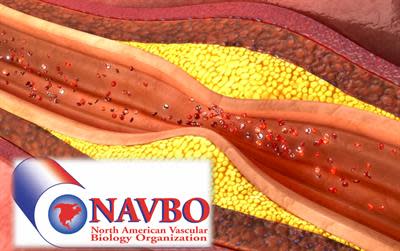
This Research Topic aims to highlight advances spanning the full continuum of atherosclerosis research, from fundamental science through translational research to clinical implementation. Areas of particular interest include novel molecular mechanisms, new therapeutic targets, and the use of single-cell and spatial technologies to dissect vascular and immune cell heterogeneity. We also welcome studies exploring epigenetic and non-coding RNA regulation, the roles of systemic metabolism and the gut microbiome, as well as sex-specific mechanisms in vascular disease. Click here for more information. Manuscript Submission Deadline is September 29, 2026 |
|
|
|
Frontiers In Cardiovascular Medicine A NAVBO sponsored Research Topic
The complexity of signaling pathways and post‑translational modifications has expanded dramatically, yet translating these advances into cardiovascular medicine remains difficult due to chronic disease dynamics, resistance, and the overlapping nature of regulatory networks. Integrating AI‑driven modeling and machine learning offers a promising way to decode complex networks and inspire transformative directions for future research and clinical innovation. Therefore, this Research Topic is designed to provide a dedicated platform for transformative thinking, welcoming submissions that push boundaries and offer fresh perspectives on signaling and post-translational modification in health and disease. For more information, click here. Manuscript Submission Deadline is September 29, 2026 |
|
|
|

|
Frontiers In Cardiovascular Medicine Advances in Vascular Malformations: From Molecular and Cellular Mechanisms to Clinical Therapies and Management
In this Research Topic, we aim to gather contributions from scientists and clinicians to share recent advances in our understanding of the biology and treatment of vascular malformations. Ultimately, our goal is to accelerate the development of new therapeutic treatments for patients with vascular malformations affecting blood or lymphatic vessels.
Specific areas of interest are listed on the webpage: Manuscript Submission Deadline is September 29, 2026. Header image credit: Dr. Elisa Boscolo |
|
|
|
Frontiers In Cardiovascular Medicine A NAVBO sponsored Research Topic
Specific areas of interest are listed on the webpage Manuscript Submission Deadline is September 29, 2026. |
|
|
|
Microcirculation |
|
|
The goal of this special topic-issue is to highlight research focused on the bidirectional interactions of microvascular (dys)function and cardiometabolic disease. This may include the role of microvascular dysfunction in the development of cardiometabolic diseases, microvascular complications resulting from cardiometabolic disorders, metabolic regulation of vascular and parenchymal cells, and other closely related areas aimed at improving understanding, treatment, and prevention of microvascular perturbations in the face of cardiometabolic disease. This issue will be organized and edited by Stephen Hammond (Medical College of Wisconsin), Julie Leonard-Duke (Columbia University), and Reetu Singh (Harvard Medical School). The editors invite original research articles, focused reviews, and reports highlighting innovative approaches and methodologies for studying microvascular complications in cardiometabolic diseases. Articles can include in vivo, in vitro, or in silico approaches using preclinical or clinical model systems and should be 3,000-5,000 words (including figure legends, excluding references). Upon completion of peer review, accepted manuscripts will be published in Microcirculation ‘In Press’ and in the online special issue. Click here for more information. Manuscript Submission Deadline is March 1, 2027 |
|
|
|
|
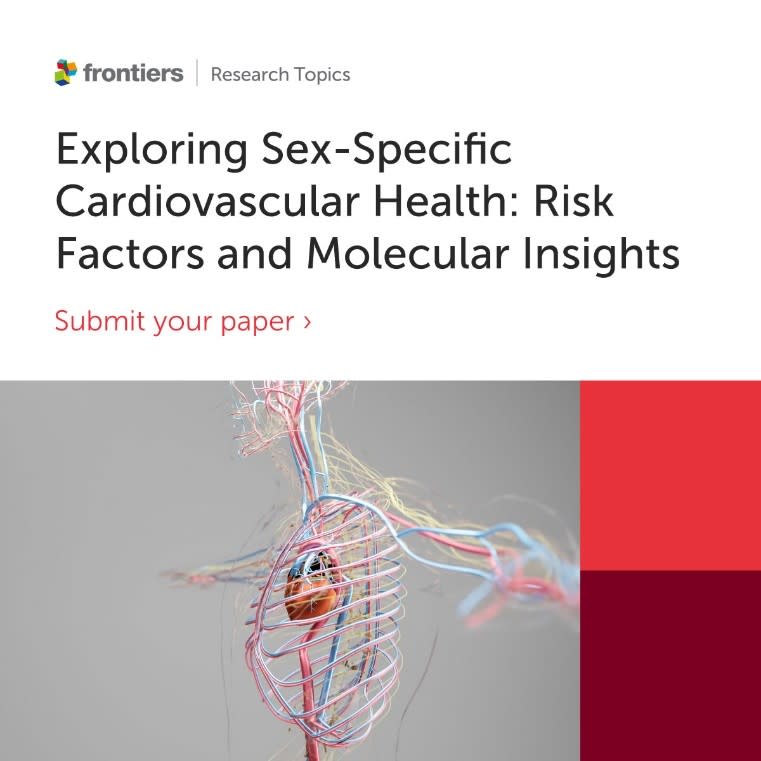
This collection focuses on the biochemical determinants and risk factors that contribute to the sex differences in cardiovascular disease initiation, development, presentation, and diagnosis. Specific areas of interest include coronary disease, microvascular dysfunction, hormonal and non-hormonal mechanisms of sex-related cardio protection, vascular biomechanics, and impacts of gender (as distinct from biological sex) and related lifestyle on cardiovascular health. The topic editors are Drs. Irena Levitan, University of Illinois Chicago, Catherine Martel, Universite de Montreal, and Benard Ogola, Augusta |
|
University. Frontiers | Exploring Sex-Specific Cardiovascular Health: Risk Factors and Molecular Insights. |
|
NAVBO Corporate Partners |
|

|

|

|

|

|

|
NAVBO Corporate Member |
|
|
Calendar of Events |
|
|
Job Postings |
|


