|
View this Newsletter Online |
|
|
|

|
July 2026 |
|

|
President's Message |
|

|
Dear NAVBO Members,
|
|
outside our labs have real consequences on our science, and this is our chance to shape that policy.
On a much brighter note, I want to officially welcome our new leadership! Please join me in giving a warm welcome to our new President-Elect, Delphine Gomez (be sure to read her highlight right below this message). We are also thrilled to welcome Josh Wythe and Miranda Good as our newest Councilors, look out for their features in the August NewsBEAT! And thank you to those who are rotating off – Jason Fish, Mingxia Gu, and Scott Johnstone, thank you all for your service! Also, a special thanks to Wayne Orr for his leadership over the past year.
Best regards, Cynthia St. Hilaire, PhD President, NAVBO |
|
Meet our New President Elect - Delphine Gomez |
|

|
Congratulations Dr. Delphine Gomez - President Elect
Dr. Delphine Gomez, Ph.D., FAHA, is an Associate Professor of Medicine at the University of Pittsburgh and a principal investigator at the Vascular Medicine Institute. Her research program investigates the epigenetic, transcriptional, and post-transcriptional mechanisms that govern vascular smooth muscle cell differentiation, function, and plasticity, and how alterations in these processes contribute to vascular disease. |
|
Dr. Gomez received a BS and an MS in Cell Biology and Physiology, followed by a PhD in Vascular Biology and Physiology from the University of Paris Diderot, and completed a postdoctoral fellowship at the University of Virginia. Dr. Gomez has studied vascular smooth muscle cells throughout her career. During her PhD, she investigated dysregulation of the TGFb/SMAD signaling pathway in thoracic aortic aneurysm. With an interest in epigenetic reprogramming, Dr. Gomez completed a postdoctoral fellowship in Dr. Gary Owens’ laboratory, where she studied smooth muscle cell plasticity in atherosclerosis. She participated in pioneering fate-mapping studies that redefined the contribution of vascular smooth muscle cells to the pathogenesis of coronary and carotid artery disease. In 2017, she joined the University of Pittsburgh as an Assistant Professor. At Pitt, Dr. Gomez’s laboratory has interrogated the epigenetic mechanisms that control vascular smooth muscle cell behavior by developing and using cutting-edge epigenome-editing tools, high-throughput omics sequencing, and in vivo fate mapping. This work is funded by the NIH National Heart, Lung, and Blood Institute, the American Heart Association, the Marfan Foundation, and the McKamish Family Foundation. Dr. Gomez is an internationally recognized expert in vascular smooth muscle cells and has received numerous awards, including the HCS New Investigator Award, the ATVB Junior Investigator Award for Women, and the NAVBO Springer Award in 2022. Dr. Gomez has been involved in several scientific societies, including the American Heart Association (ATVB Women’s Leadership Committee) and the Histochemical Society (Council and Award Committee). She also holds leadership positions at Pitt. She is the Director of the Vascular Medicine Institute Omics and Systems Biology Center and the Pre- and Postdoctoral Training Program.
Dr. Gomez joined NAVBO in 2015 to attend Vasculata, organized by the University of Virginia. More recently, she served as a NAVBO Councilor and co-organized the 2025 and 2026 NAVBO Vascular Biology meetings and the 2025 Vasculata conference. |
|
Submit your OMB comment ASAP! |
|
Office of Management and Budget (OMB) issued a proposed rule that, if enacted, will change many aspects of federal funding. These proposed changes affect not only scientists, but patients, non-profits, scientific societies, and more. Comments are due July 13. If you haven’t submitted a comment yet, NOW IS THE TIME!
We’ve built a webpage (navbo.org/omb-rule) with resources related to the proposed changes, including:
Don’t wait! Now is the time to make your voice heard; the actions we take today can shape the future of America’s scientific ecosystem.
NAVBO is formulating a public comment concerning the adverse effects these proposed changes will have on the society's membership and conferences.
Please reach out to mitzy@navbo.org if you have any questions. |
|
Call for Nominations |
|
|
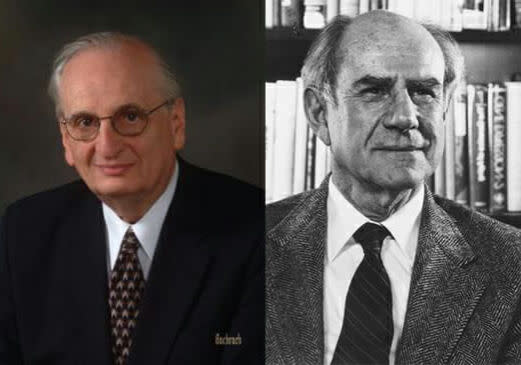
We are seeking nominations from the membership for the 2027 Earl P. Benditt Award and Judah Folkman Award in Vascular Biology, which will be presented at Vascular Biology 2027.
Nominations are due July 15, 2026. See the web site for more details. |
|
|
|
Attention Junior Faculty If you are planning to attend and submit an abstract to Vascular Biology 2026 (VB2026), consider applying for the Springer Junior Investigator Award sponsored by Angiogenesis, a Springer-Nature publication. To apply you must submit an abstract to VB2026 and complete an online application form. The deadline is August 3, 2026. The Springer Junior Investigator Award recognizes an outstanding scientific achievement by a Junior Faculty member. The award is based primarily on the abstract submitted to the NAVBO annual meeting and the applicant's CV.
|
|
Spotlight on Trainees |
|
Institutions await publication of modified policies affecting duration of student visas US Department of Homeland Security-US Immigration and Customs Enforcement proposed rule changes, under review since August 2025, would replace “duration of status” visa admissions with fixed end dates (e.g., allow four years maximum to complete a PhD program), requiring international students and exchange visitors to file formal extension applications with USCIS, shorten grace periods, and impose new limits on program changes. The rule will not become final until after DHS completes its review of public comments on the proposed rule, OMB completes its review of any DHS revisions, and then DHS publishes a final rule in the Federal Register with a future effective date. International Student Affairs offices across the US presently await the publication of the rule, which may have significant impacts of higher ed in the sciences. |
|
NAVBO 2026 Meetings |
|

|
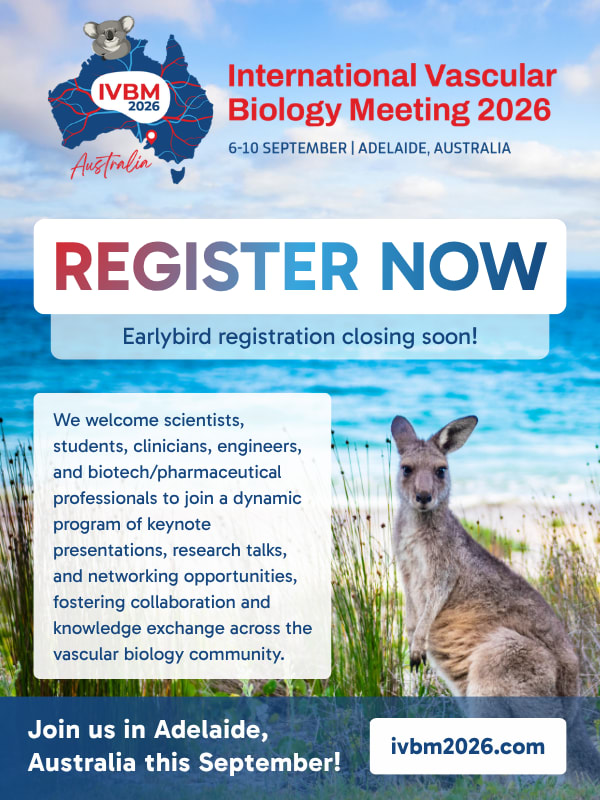
IVBM2026 - Register Now! |
|
|
Please note: Early Bird Registration ended on June 30 |
|
Did You Know . . . |
|

|
NAVBO Travel Award Winner |
|

|
Congratulations to Ayoung Kim, Postdoctoral Research Associate at Washington University in St. Louis, for earning a NAVBO Travel Award to attend the recent Gordon Research Conference on Lipoprotein Metabolism. Dr. Kim presented her abstract entitled, "A gut-restricted LXR agonist ameliorates liver injury in experimental short bowel |
|
Lab of the Month |
|

|
This month, we’re highlighting the Microvascular Dynamics Lab of Dr. Lee Murfee, Professor and Senior Associate Chair at the University of Florida. His lab integrates approaches across biomedical engineering, vascular biology, physiology, and biomechanics to innovate how we view microvascular growth and cell dynamics. Driving questions of the Microvascular Dynamics Lab include - What cells are involved? Where do cells come from? Where do cells go?
|
|
Member News |
|
Welcome to our New Members: Sufiya Ali, University of South Florida Ildernandes Alves, University of California, Davis Kamakshi Dattatray Bichu, Stanford University Miriam Cortese-Krott, Eberhard Karls Universität Tübingen Ricardo DeMoya, University of South Florida Wen Gao, University of Arizona Marsilla Gray, University of South Florida Huiling Hong, The Chinese University of Hong Kong Jiaqi Hong, Duke University Soon-Gook Hong, University of California Los Angeles Si Tong Huo, University of Toronto Carolyn Lazaroff, Washington University in St. Louis School of Medicine Beomhyeok Lee, City of Hope National Medical Center Yapeng Liu, Stanford University Yi-xiao Liu, University of Missouri Shuhan Lyu, University of Southern California Stacey Maskarinec, Duke University George Moussa, The Hormel Institute Eric Aian Pereira da Silva, University of California, Davis Ryan Posey, Harvard University Olga Pushkarev, Stanford University Sima Qutaina, Northwell Health Chongyang Zhang, Stanford University |
|
Recent Member Publications |
|
Endothelial von Hippel-Lindau gene deletion causes abnormal blood and lymphatic vasculature through ectopic activation of the HIF-CXCR4 axis The von Hippel-Lindau (VHL) protein regulates cellular oxygen sensing by degrading hypoxia-inducible factors (HIFs) under normoxic conditions. VHL mutations show highly vascularized tumor across various organs due to HIF activation and upregulation of HIF-target genes such as VEGF in non-endothelial cells (ECs), influencing neighboring ECs and triggering abnormal angiogenesis. Read More
Endothelial PROX1 induces blood-brain barrier disruption in the central nervous system The central nervous system (CNS) parenchyma has conventionally been believed to lack lymphatic vasculature, likely owing to a non-permissive microenvironment that hinders the formation and growth of lymphatic endothelial cells (LECs). Read More
Wound Healing and Angiogenic Profiling of Dermal Endothelial Cells Isolated From People With Type 2 Diabetes Impaired wound healing in type 2 diabetes (T2D) is associated with microvascular dysfunction and remains a significant clinical challenge. We aimed to determine whether primary human dermal microvascular endothelial cells (HDMVECs) from individuals with T2D exhibit abnormal cellular functions, and whether exposure to T2D serum impacts healthy endothelial function. Read More
Preemptive cardioprotection with a small molecule in rodents that suppresses genes predictive of heart failure Ischemic heart disease is a leading cause of death worldwide. While percutaneous coronary intervention (PCI) restores blood flow in acute coronary syndrome (ACS), reperfusion injury exacerbates myocardial damage, contributing to heart failure (HF). Preemptive administration of a cardioprotective agent could help counter the imminent proinflammatory insult of PCI and reperfusion. Read More
If you recently published a paper and would like to have it included in a future issue of the NAVBO NewsBEAT and/or on our web site. Please send the citation to membership@navbo.org |
|
Industry News |
|
Comments on proposed OMB rule governing federal grant funding due July 13 The White House Office of Management and Budget has released a proposed rule governing federal grant funding that, if implemented, could change how science is funded, conducted, communicated, and shared in the US. The proposed rule would codify previous Executive Orders designed to restructure scientific research. If adopted, the rule could have significant consequences for the scientific community. Comments to OMB spelling out the impacts this rule could have on your work may be submitted here and are due Monday, July 13, 2026.
Long-term cardiovascular protection by COVID vaccination? A new study has reported that the 2024-2025 COVID-19 vaccine was linked with nearly 40 percent lower risk of events linked to COVID-19 such as heart attack and stroke. This cohort study of over a million participants conducted by investigators at Wash U and St. Louis VA hospitals found that the vaccine was associated with a lower risk of COVID-19–associated major adverse cardiovascular events. Risk reductions were more prominent among those 75 years or older and those with comorbidities. Secondary analyses of all-cause MACE showed substantially larger absolute risk reductions.
Applications invited for ASU-Science Prize for Transformational Impact Science/AAAS and Arizona State University have partnered to create the ASU-Science Prize for Transformational Impact. This prize aims to recognize research that uses innovative methods and approaches to identify problems and develop solutions with impacts on policy and decision-making. Such work, often interdisciplinary, considers the values and interests of different communities, typically with attention to ethical, economic, political, or legal contexts. The grand prize winner will receive a prize of US$30,000 and publication in Science. Submissions are due August 15, 2026. |
|
Call for Papers |
|
Frontiers In Cardiovascular Medicine A NAVBO sponsored Research Topic
Topic Editors: Masanori Aikawa, Elena Aikawa, Prabhash Kumar Jha, Toshiaki Nakano, Annet Kirabo, and Masayuki Yoshida
Manuscript Submission Deadline is January 30, 2027 |
|

|
This Research Topic aims to provide a comprehensive platform for the discovery, integration, and translation of knowledge in cardio-kidney-metabolic disease. By bringing together molecular biology, systems medicine, epidemiology, and clinical research, it seeks to unravel shared mechanisms linking the cardiovascular, renal, and metabolic axes. The goal is to identify actionable biomarkers, refine predictive risk models, delineate therapeutic responsiveness, and promote personalized strategies that mitigate residual risk and improve long-term outcomes. Specific questions include how multiorgan interactions drive progression, how metabolic and immune signals intersect to affect cardiac and renal remodeling, and how emerging therapies modulate system-wide homeostasis. By encouraging cross-disciplinary collaborations, this Research Topic will help translate mechanistic insights into actionable precision medicine for CKM disease. Click here for more information. |
|
|
|
|
Frontiers In Cardiovascular Medicine A NAVBO sponsored Research Topic |
|
This Research Topic aims to highlight advances spanning the full continuum of atherosclerosis research, from fundamental science through translational research to clinical implementation. Areas of particular interest include novel molecular mechanisms, new therapeutic targets, and the use of single-cell and spatial technologies to dissect vascular and immune cell heterogeneity. We also welcome studies exploring epigenetic and non-coding RNA regulation, the roles of systemic metabolism and the gut microbiome, as well as sex-specific mechanisms in vascular disease. Click here for more information. Manuscript Submission Deadline 29 September 2026 |
|
|
|
Frontiers In Cardiovascular Medicine A NAVBO sponsored Research Topic
The complexity of signaling pathways and post‑translational modifications has expanded dramatically, yet translating these advances into cardiovascular medicine remains difficult due to chronic disease dynamics, resistance, and the overlapping nature of regulatory networks. Integrating AI‑driven modeling and machine learning offers a promising way to decode complex networks and inspire transformative directions for future research and clinical innovation. Therefore, this Research Topic is designed to provide a dedicated platform for transformative thinking, welcoming submissions that push boundaries and offer fresh perspectives on signaling and post-translational modification in health and disease. For more information, click here. Manuscript Submission Deadline 29 September 2026 |
|
|
|

|
Frontiers In Cardiovascular Medicine Advances in Vascular Malformations: From Molecular and Cellular Mechanisms to Clinical Therapies and Management
In this Research Topic, we aim to gather contributions from scientists and clinicians to share recent advances in our understanding of the biology and treatment of vascular malformations. Ultimately, our goal is to accelerate the development of new therapeutic treatments for patients with vascular malformations affecting blood or lymphatic vessels.
Specific areas of interest are listed on the webpage: The deadline for manuscript submission is September 29, 2026. Header image credit: Dr. Elisa Boscolo |
|
|
|
Frontiers In Cardiovascular Medicine A NAVBO sponsored Research Topic
Specific areas of interest are listed on the webpage The deadline for manuscript submission is September 29, 2026. |
|
|
|
Microcirculation |
|

|
The goal of this special topic-issue is to highlight research focused on the bidirectional interactions of microvascular (dys)function and cardiometabolic disease. This may include the role of microvascular dysfunction in the development of cardiometabolic diseases, microvascular complications resulting from cardiometabolic disorders, metabolic regulation of vascular and parenchymal cells, and other closely related areas aimed at improving understanding, treatment, and prevention of microvascular perturbations in the face of cardiometabolic disease. This issue will be organized and edited by Stephen Hammond (Medical College of Wisconsin), Julie Leonard-Duke (Columbia University), and Reetu Singh (Harvard Medical School). The editors invite original research articles, focused reviews, and reports highlighting innovative approaches and methodologies for studying microvascular complications in cardiometabolic diseases. Articles can include in vivo, in vitro, or in silico approaches using preclinical or clinical model systems and should be 3,000-5,000 words (including figure legends, excluding references). Upon completion of peer review, accepted manuscripts will be published in Microcirculation ‘In Press’ and in the online special issue. Click here for more information. Manuscript Submission Deadline March 1, 2027 |
|
|
|
|
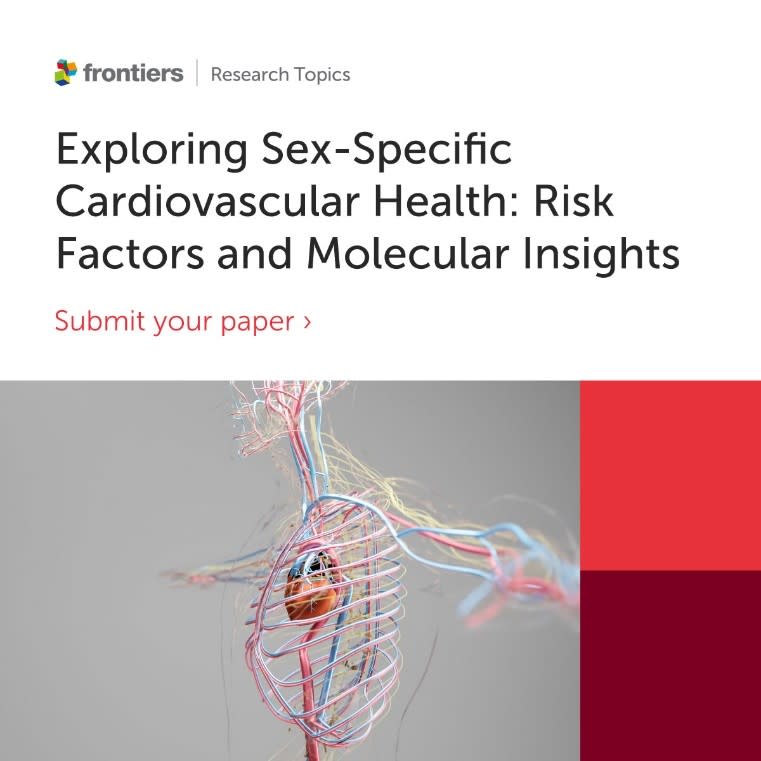
This collection focuses on the biochemical determinants and risk factors that contribute to the sex differences in cardiovascular disease initiation, development, presentation, and diagnosis. Specific areas of interest include coronary disease, microvascular dysfunction, hormonal and non-hormonal mechanisms of sex-related cardio protection, vascular biomechanics, and impacts of gender (as distinct from biological sex) and related lifestyle on cardiovascular health. The topic editors are Drs. Irena Levitan, University of Illinois Chicago, Catherine Martel, Universite de Montreal, and Benard Ogola, Augusta University. Frontiers | Exploring Sex-Specific Cardiovascular Health: Risk Factors and Molecular Insights. |
|
NAVBO Corporate Partners |
|

|

|

|

|
|

|
NAVBO Corporate Member |
|
|
Calendar of Events |
|
|
Job Postings |
|


