View this Newsletter Online
|
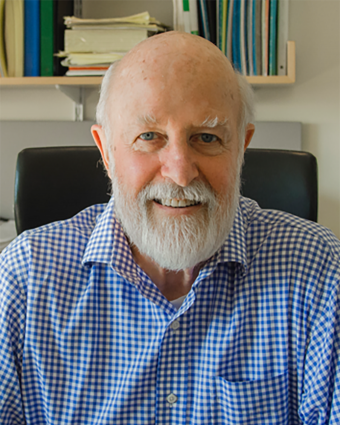
We are sad to report the death in early January of Richard Hynes, PhD, from complications of cancer. Dr. Hynes, as a co-discoverer of ECM proteins, fibronectins and integrin receptors, was a pioneer in advancing our understanding of mechanisms of communication between cells and their immediate environments. With NAVBO, Richard was a co-organizer of the 2010 Developmental Vascular Biology Workshop and received the Earl P. Benditt Award at the 2010 IVBM. He received NAVBO’s Stephen Schwartz Award for Outstanding Mentorship* in 2022, the same year he was recognized with a Lasker Basic Medical Research Award in recognition of his highly impactful research contributions.
To read more about Dr. Hynes, click here.
|
*Click here to see the video of tributes from former trainees for the presentation of the Stephen Schwartz Award.
|
Avrum I. Gotlieb, MD, CM, FRCPC
|
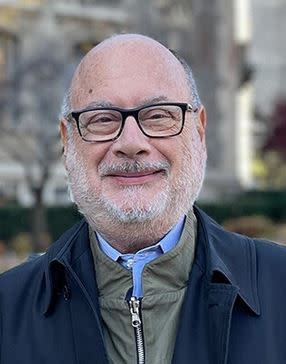
NAVBO marks the recent passing of Dr. Avrum Gotlieb, founding Chair of the Department of Laboratory Medicine and Pathobiology at the University of Toronto and a major figure in cardiovascular research and pathology. Long-time NAVBO members will remember Avrum’s steady and scholarly presence at the 2004 IVBM in Toronto. Avrum held leadership roles in several professional organizations, including serving as President of the Canadian Society of Atherosclerosis, Thrombosis and Vascular Biology, the Society for Cardiovascular Pathology, and the American Society for Investigative Pathology.
To read more about Dr. Gotlieb, click here.
|
Winner of Vascular Network Banner Competition
|
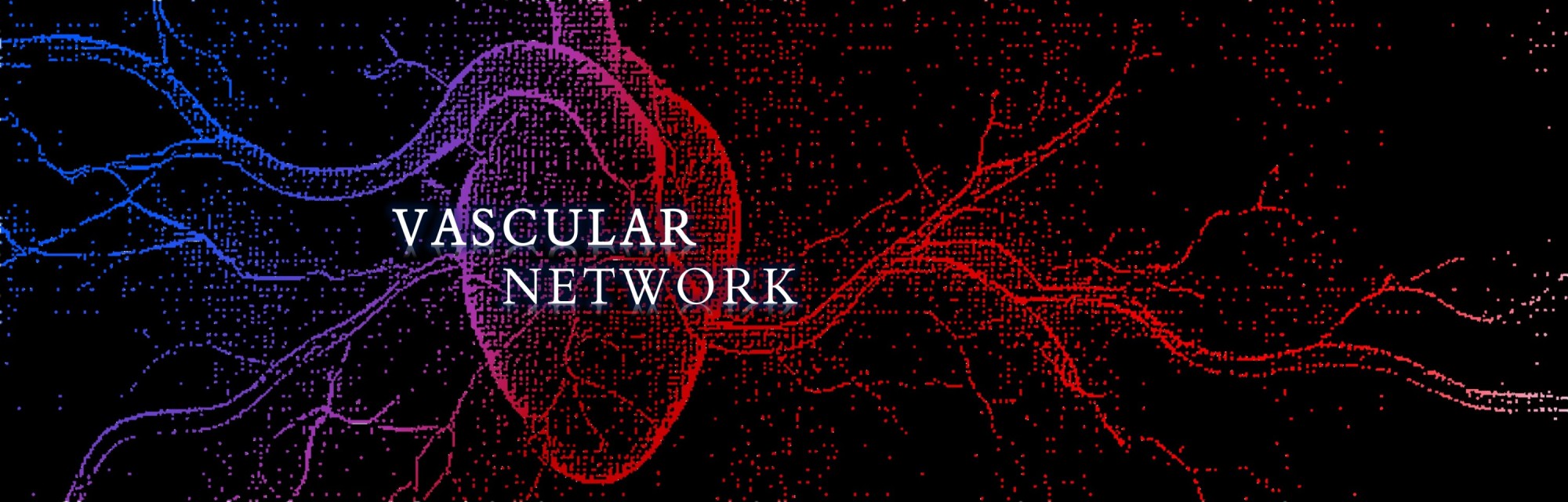
The Communities Committee is thrilled to announce Dr. Nour Bacha as the winner of the inaugural Vascular Network Banner Competition! His winning banner is now featured across the platform and in the Daily Digest, giving the Vascular Network a fresh new look.
A big thank you to all who submitted designs and participated in the voting. Your creativity and enthusiasm made this competition a success.
|
If you haven’t explored the Vascular Network yet, now is the perfect time. Connect with colleagues, showcase your research, discover opportunities, and stay connected to the NAVBO community in a member-only space.
Jump in, make a post, leave a comment, or simply browse — your engagement makes the Network thrive!
|
Gary Gibbons retires from NHLBI
|
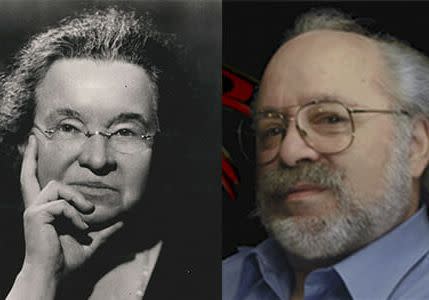
Gary H. Gibbons, M.D., has retired from his position as Director of the National Heart, Lung, and Blood Institute (NHLBI) at the NIH, a post he held since 2012. Throughout his career, Dr. Gibbons has conducted and championed research in the prevention and treatment of heart, lung, and blood diseases. After earning degrees from Princeton and Harvard Medical School, he served as the founding Director of the Morehouse Cardiovascular Research Institute at the Morehouse School of Medicine, Atlanta. His research focuses on investigating the relationships between clinical pheno-
|
types, behavior, molecular interactions, and social determinants on gene expression and their contribution to cardiovascular disease. Read more about Dr. Gibbons here.
|
Virtual Workshop - February 2026
|
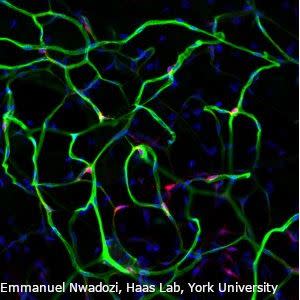
The image is cropped from a panel in Liu Z et al (2024). Angiogenesis
You can register now through March 6 (recordings will be available through March 13). Don't miss it!
Today is the last day of this virtual workshop. However, a recording of all six sessions will be available for anyone who registers. If interested, the full program is available on the web site - go to https://navbo.org/feb2026.
NAVBO trainee members can register for only $100! NAVBO regular members pay only $175 - versus non-members who pay $300.
Register to receive a link to the recordings - click here!
|
Doctoral disciplines facing challenging times
Michael Nietzel describes in Forbes the hard road that some PhD programs, applicants, students, and graduates are navigating presently. The recent congressional passage of solid funding for the NIH notwithstanding, universities are hard-pressed to plan future enrollment targets with confidence. Moreover, international students are increasingly looking elsewhere to pursue their goals in graduate education. Many observers are gravely concerned that these recent trends, or the impressions they create, could threaten America’s traditional leadership in graduate education, particularly in the STEM disciplines.
|
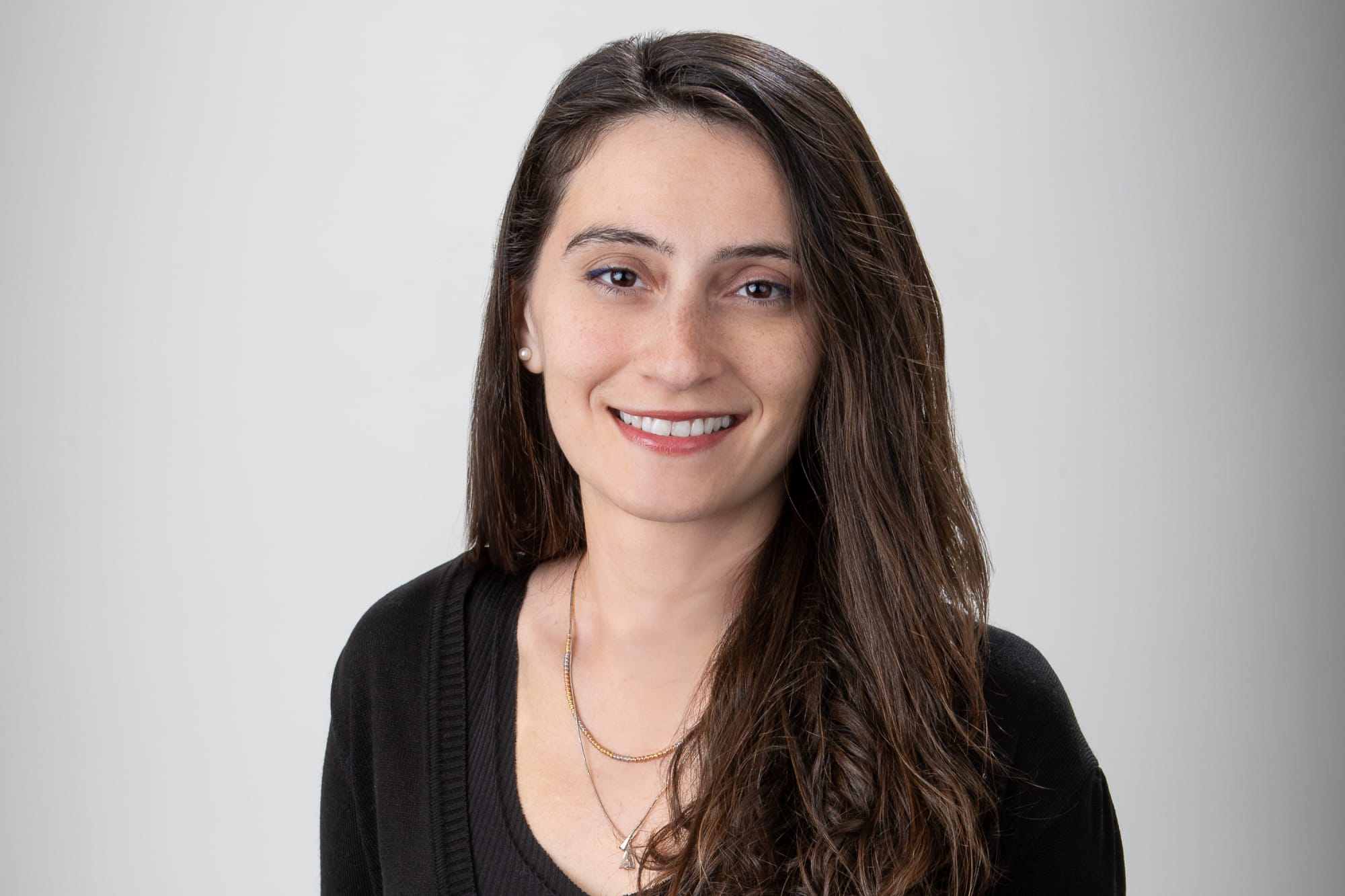
D. Berfin Azizoglu, Ph.D.
Transitioning to an independent faculty position can feel overwhelming and isolating, but building a supportive team and seeking mentorship are crucial for both professional and personal growth. It’s important to hire people you can learn from, embrace not always feeling ready, and be supportive
|
of yourself to make progress. Prioritizing the enjoyment of science and mentoring, while letting go of perfectionism in other tasks, helps maintain passion and fulfillment in an academic career. Read more from Dr. Azizoglu here.
|
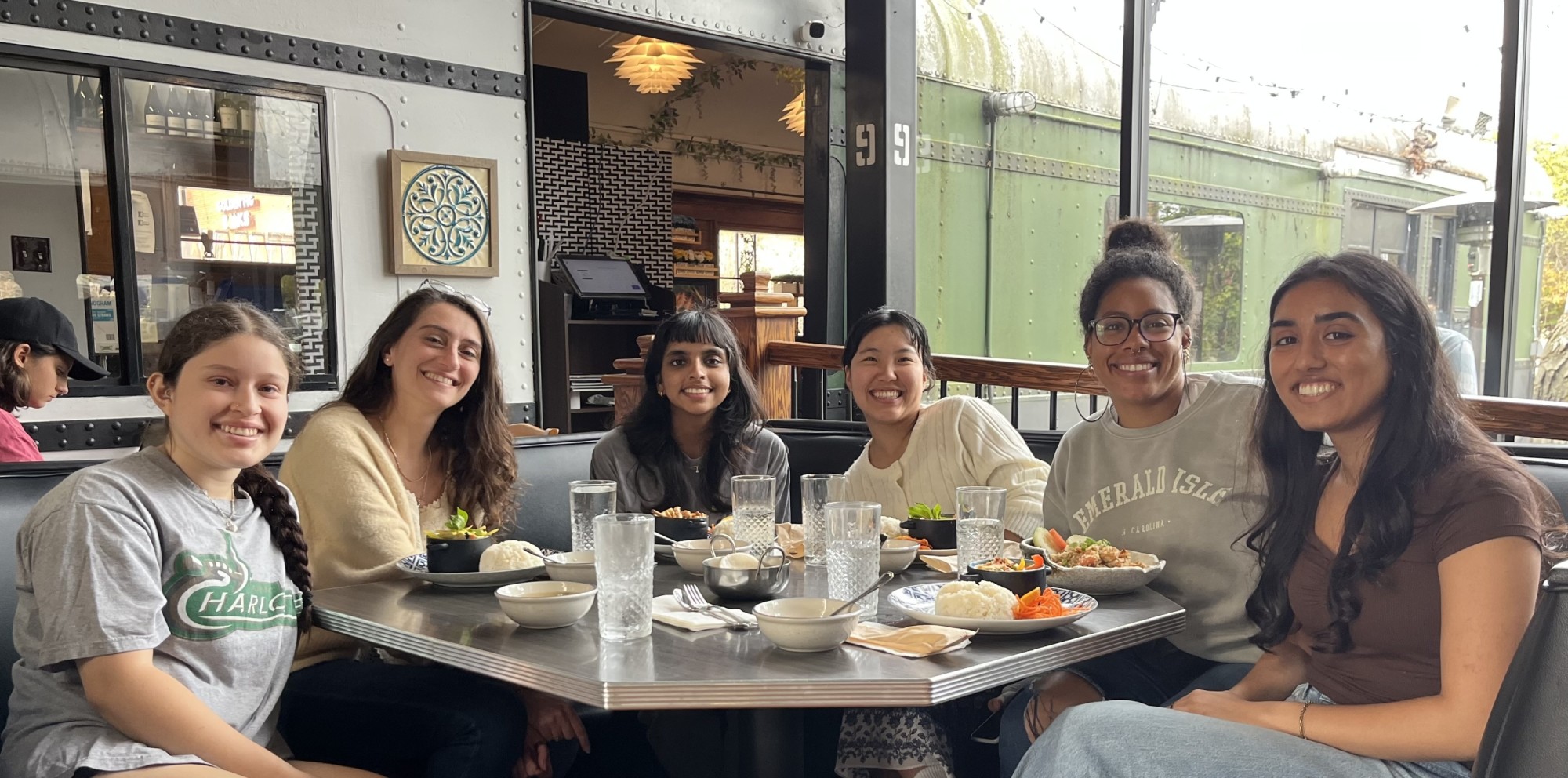
This month we’re highlighting the lab of Dr. D. Berfin Azizoglu, Assistant Professor at UNC Chapel Hill. The Azizoglu lab investigates the mechanisms by which the vasculature helps coordinate regeneration in the mammalian liver.
Find out more about her lab by visiting her page in our Lab of the Month listing.
|
Welcome to our New Members:
Nuri Acevedo Garduño, Universidad Nacional Autónoma de México
David Arteaga Jr., Northwestern University
Sujit Basu, The Ohio State University
Prakash Doddapattar, University of Oklahoma
Xiaowen Gao, Institute of Science Tokyo
Juan Hernandez Villamil, University of South Florida
Sophie Hötte, University Münster
Jennifer Lam, University of Toronto
Ping Li, Indiana University School of Medicine
Mary Linares, University of North Carolina at Chapel Hill
Thi Mai, University of Illinois Chicago
Anastasiia Masaltseva, Stanford University
David Mondaca Ruff, The University of Oklahoma
Roxana Ola, Heidelberg University
Christian Palacios-Gomez, University of Virginia
Emmanuella Tchona, Medical College of Wisconsin
Caroline Willi, University of California Los Angeles
Hao Zhang, University of California Los Angeles
|
Recent Member Publications
|
If you recently published a paper and would like to have it included in a future issue of the NAVBO NewsBEAT and/or on our web site. Please send the citation to membership@navbo.org
|
Adoption of Common Forms for NIH Biosketch and other grant documents
As described in NOT-OD-26-018, the NIH will expect applicants to use Common Forms for Biographical Sketch and Current and Pending (Other) Support forms for Prior Approval, JIT, and RPPR materials submitted on or after January 25, 2026. The use of Common Forms is intended to foster strong collaboration between Federal research agencies including the NIH, NSF and other federal entities that support life science research. A more recent notice reports an adjustment to the adoption timeline.
International institutions advance in rankings of scientific productivity
Writing in The New York Times, Mark Arsenault reports that Chinese universities have been steadily climbing in international rankings that emphasize the volume and quality of research they produce. Officials at Times Higher Ed, the British organization that produces one of the better-known – and coveted – world rankings of universities notes the magnitude of the shift in relative productivity, which stems largely from the growth in rising institutions rather than drops in activity from US universities.
Federal FY26 budget adoption spares NIH and NSF funding
The minibus budget approved by Congress in January and signed by President Trump on February 3, 2026, which includes the Labor-HHS-Education appropriations bill, provides $47.216 billion for the National Institutes of Health base budget in FY 2026. This represents a $415 million (0.9%) increase over the comparable FY 2025 level. The bill preserves support for facilities and administrative costs and includes language on multiyear funding. This measure dodges the $18 billion cut to NIH initially requested by the Executive Branch.
|
Frontiers In Cardiovascular Medicine
Frontiers in Atherosclerosis Research 2026: From Emerging Molecular Mechanisms to Clinical Innovations
A NAVBO sponsored Research Topic
|
This Research Topic aims to highlight advances spanning the full continuum of atherosclerosis research, from fundamental science through translational research to clinical implementation. Areas of particular interest include novel molecular mechanisms, new therapeutic targets, and the use of single-cell and spatial technologies to dissect vascular and immune cell heterogeneity. We also welcome studies exploring epigenetic and non-coding RNA regulation, the roles of systemic metabolism and the gut microbiome, as well as sex-specific mechanisms in vascular disease. Click here for more information.
Manuscript Submission Deadline 2 July 2026
|
Frontiers In Cardiovascular Medicine
Frontiers in Signaling and Post-Translational Modification (PTM) Research
A NAVBO sponsored Research Topic
The complexity of signaling pathways and post‑translational modifications has expanded dramatically, yet translating these advances into cardiovascular medicine remains difficult due to chronic disease dynamics, resistance, and the overlapping nature of regulatory networks. Integrating AI‑driven modeling and machine learning offers a promising way to decode complex networks and inspire transformative directions for future research and clinical innovation. Therefore, this Research Topic is designed to provide a dedicated platform for transformative thinking, welcoming submissions that push boundaries and offer fresh perspectives on signaling and post-translational modification in health and disease. For more information, click here.
Manuscript Submission Deadline 5 July 2026
|
Frontiers In Cardiovascular Medicine
Advances in Vascular Malformations: From Molecular and Cellular Mechanisms to Clinical Therapies and Management
A NAVBO sponsored Research Topic
In this Research Topic, we aim to gather contributions from scientists and clinicians to share recent advances in our understanding of the biology and treatment of vascular malformations. Ultimately, our goal is to accelerate the development of new therapeutic treatments for patients with vascular malformations affecting blood or lymphatic vessels.
Specific areas of interest are listed on the webpage:
The deadline for manuscript submission is March 30, 2026.
Header image credit: Dr. Elisa Boscolo
|
Frontiers In Cardiovascular Medicine
Cardiovascular Mechanobiology: Molecular Mechanisms, Disease Pathogenesis, and Therapeutic Opportunities
A NAVBO sponsored Research Topic
This Research Topic aims to bring together cutting-edge original research and comprehensive reviews that highlight the central role of mechanobiology in cardiovascular health and disease. By bridging fundamental mechanobiology with translational science, we seek to foster innovation in both the foundational understanding of mechanotransduction and the development of next-generation diagnostics and therapeutics.
Specific areas of interest are listed on the webpage
The deadline for manuscript submission is April 29, 2026.
|
BMC Biology is calling for submissions to theirr Collection on vasculogenesis and angiogenesis in vivo and in vitro. This Collection aims to bring together cutting-edge research that explores the cell and molecular mechanisms and therapeutic applications of blood vessel formation in health and disease. Tara Haas, York University, is one of the guest editors. Deadline for submission is February 22, 2026. Download the flyer for more information.
|
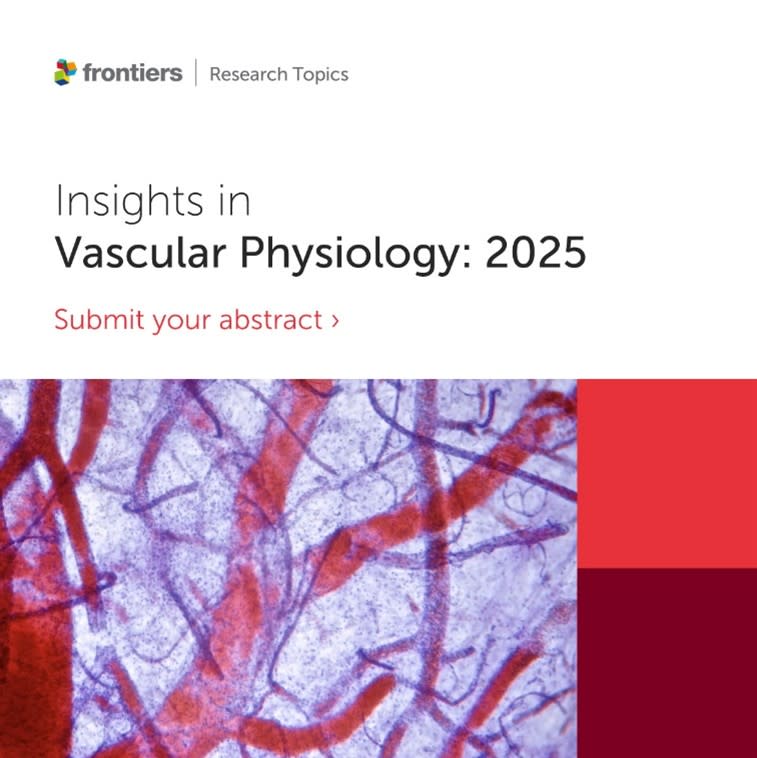
This Research Topic will constitute the second volume of the Insights in Vascular Physiology series. The 2025 volume invites submissions of original papers, reviews, or perspectives on such topics as abdominal aortic aneurysm, impact of microbiome on vascular physiology, cerebral microcirculation, and coronary microcirculation (see the link below for full topics list). This issue is edited by Drs. Luis A. Martinez-Lemus, University of Missouri, Columbia, USA; Christopher Garland, University of Oxford, Oxford, UK; Francesco Moccia, University of Molise, Campobasso, Italy; and Andrew P Braun, University of Calgary, Calgary, Canada.
Frontiers | Insights in Vascular Physiology: 2025,
|
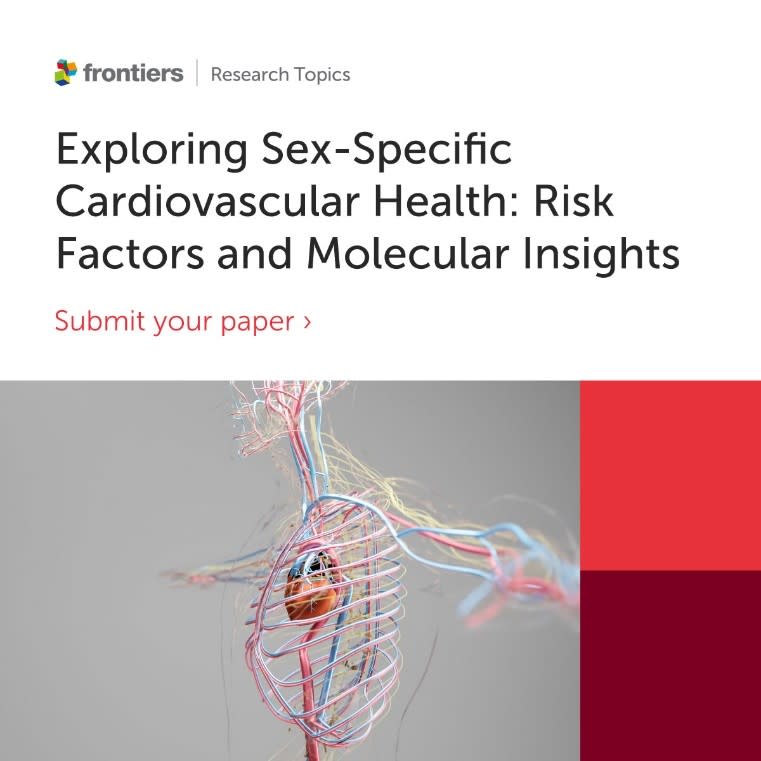
This collection focuses on the biochemical determinants and risk factors that contribute to the sex differences in cardiovascular disease initiation, development, presentation, and diagnosis. Specific areas of interest include coronary disease, microvascular dysfunction, hormonal and non-hormonal mechanisms of sex-related cardio protection, vascular biomechanics, and impacts of gender (as distinct from biological sex) and related lifestyle on cardiovascular health. The topic editors are Drs. Irena Levitan, University of Illinois Chicago, Catherine Martel, Universite de Montreal, and Benard Ogola, Augusta University. Frontiers | Exploring Sex-Specific Cardiovascular Health: Risk Factors and Molecular Insights.
Submission Deadline January 2026
|
| February 10 - 12, 2026 |
Specification of Endothelial Cell Phenotypes |
| February 16 - 19, 2026 |
EMBL Conference: The new cardiobiology: engineering, vascular and molecular insights |
| February 17, 2026 |
Symposium: Emerging Technologies to Investigate, Model, and Restore Vascular Function |
| February 19, 2026 |
InFocus - Immune Cell Interactions with the Vasculature |
| February 26, 2026 |
Journal Club - February 2026 |
| April 27 - 28, 2026 |
10th annual Stanford Drug Discovery Symposium |
| July 7 - 10, 2026 |
Vasculata 2026 |
| October 18 - 22, 2026 |
Vascular Biology 2026 |
|
Have an open position that you would like to see listed here?
Submit your job opening to the NAVBO Career Center - https://navbo.org/jobs
NAVBO members receive deep discounts on their posts. Submit your open position today!
|
North American Vascular Biology Organization
18501 Kingshill Road
Germantown, MD 20874-2211
(301) 760-7745
info@navbo.org
|
|