|
View this Newsletter Online |
|
|
|

|
March 2026 |
|

|
President's Message |
|
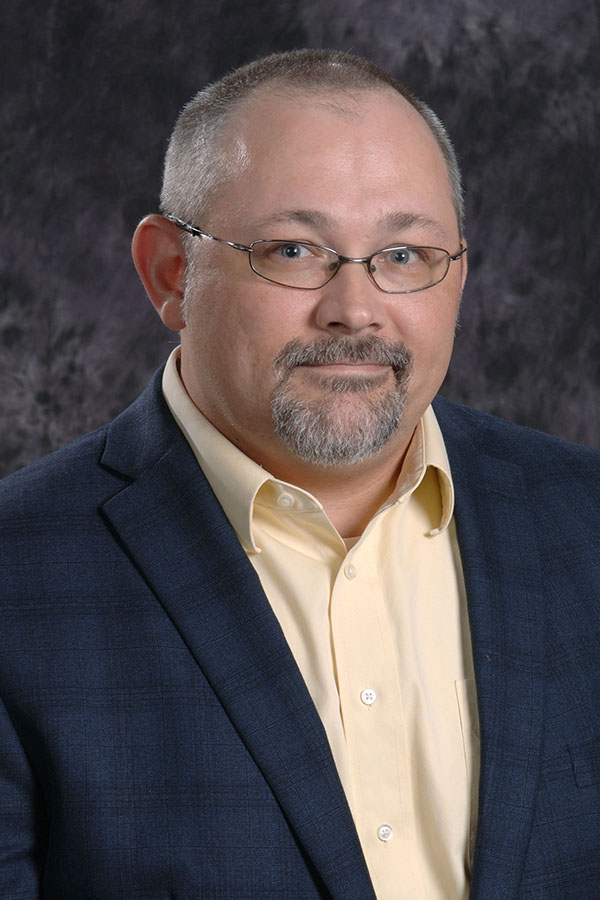
I hope everyone is enjoying these early spring days as much as I am. There is something about spring that feels optimistic, and right now I am happy to take that optimism wherever I can find it. I want to start this month by thanking everyone who helped make our recent NAVBO Virtual Workshop on “Specification of Endothelial Cell Phenotypes” such a success. With close to 200 registrants, it was wonderful to see such strong engagement around a topic that sits at the heart of so much of our science. The program brought together outstanding speakers and lively discussion, and it was especially exciting to see trainees so well represented in the conversation. That kind of energy is a reminder of what makes this community special.
As we look ahead, I hope you will consider getting involved in NAVBO in whatever way fits you best. We are currently seeking nominations for the Sabin and Schwartz Awards, and I |
|
encourage you to take a moment to recognize the outstanding colleagues in our field. We are also looking for volunteers to serve on NAVBO committees, which is one of the best ways to help shape our programming and support our community. In addition, we are seeking trainee organizers for the 2027 Vascular Biology Pre-Conference, a terrific opportunity for emerging leaders to help build a program for their peers. NAVBO is strongest when our members step forward, and I hope many of you will consider doing so.
Wayne Orr, PhD |
|
|
Call for Nominations |
|

|
We are seeking nominations from the membership for the 2026 Stephen Schwartz and Florence Sabin Awards, which will be presented at Vascular Biology 2026 in October. Nominations are due March 16, 2026. |
|
Spotlight on Trainees |
|
NSF Fellowship rejections spark request for congressional scrutiny |
|
Seeking VB2027 Pre-conference Meeting Organizers |
|
For Trainee Members Only Are you interested in organizing the Pre-Conference Meeting for Trainees at Vascular Biology 2027? NAVBO has been holding this trainee-led session since 2015 and the program has often included a featured speaker, panel discussion, career development and/or a social time with refreshments but most importantly, presentations of several abstracts authored by postdocs and graduate students (these authors will be presenting posters during the main portion of the meeting).
If you are interested in organizing the four-hour session for trainees that will kick off Vascular Biology 2027 (NAVBO’s Annual Meeting), please complete the online form.
The meeting will be held in the New England area, the hotel is yet to be determined; preferred dates are October 17-21, 2027
The meeting organizers will review the applications and select the trainee organizers. Applications are due April 15, 2026. |
|
Lab of the Month |
|

|
This month we’re highlighting the lab of Dr. Daniel Greif, Professor at Yale University. The Grief lab studies the development and maintenance of blood vessels through the lens of mural cells and fibroblasts using a wide range of tools, such as mouse models, human samples, and cells.
|
|
2027 Virtual Workshop on . . . |
|
Please help us decide what topic to cover in our February 2027 Virtual Workshop. Once again we would like to ask for your input as we plan for the 2027 workshop. These are the four topics that the NAVBO Council would like you to consider:
What topic and its historic perspective would be the most relevant to the NAVBO Community? Feel free to suggest another topic - we may consider it for future workshops. Please complete this form by April 30, 2026 - thanks so much for your input and we are excited to see what topic is of most interest to the vascular biology community. |
|
IVBM2026 - Now Accepting Abstracts |
|
|
|
NAVBO Travel Awards Available |
|
Trainee Travel Awards to IVBM 2026 NAVBO is sponsoring Travel Awards for its trainee members (students or postdocs) to attend this year's IVBM in Adelaide, Australia.
|
|
Did You Know . . . |
|

|
Member News |
|
Welcome to our New Members: Anuradha Bankar, University of Arizona Michele D`Agata, Yale University Anirudh Gaur, University of California, Davis Bong Ihn Koh, Yale University Kira Lynch, Oregon Health & Science University Thomas Moran, Emory University Sarah Sheppard, National Institute for Child Health and Human Development Jennifer Soldatich, Rutgers University Ping Song, Georgia State University Xu Xiao, University of Kentucky Mohsen Yari, University of California Davis |
|
Recent Member Publications |
|
Differential protein expression and enriched pathways in pediatric sepsis: identification of novel brain-associated biomarkers revealed through proteomic profiling Sepsis, defined by confirmed or suspected infection with systemic inflammatory response syndrome, requires robust biomarker identification. Proteomics enables protein quantification and expression analysis across disease states. Read More
Metabolomic alterations in human brain microvascular endothelial cells induced by traumatic injury Altered metabolic pathways are critical in the progression of traumatic brain injury (TBI). Identifying differentially abundant metabolites (DAMs) from specific cell types can offer valuable diagnostic and prognostic insights. Read More
Application of Human Plasma/Serum to Cell Culture In Vitro: A Translational Research Approach to Better Define Disease Mechanisms In vitro cell culture experiments play an important role in medical research. Various cellular mechanisms and signaling pathways have been identified with in vitro experimental techniques. Read More
Functional mass spectrometry indicates anti-protease and complement activity increase with COVID-19 severity Investigations on some innate immunity proteins can yield misleading information, as investigators often rely on static measurements and assume a direct correlation to function. As protein function is often not directly proportional to protein abundance, and mechanistic pathways are interconnected and under constant feedback regulatory control, functional analysis is required. Read More
Von Willebrand Factor Deficiency Impairs Angiogenesis via Angiopoietin-2: Relevance for Gut Angiodysplasia Management of recurrent gastrointestinal (GI) bleeding is a clinical unmet need for patients with Von Willebrand disease (VWD) and is linked to the presence of gut vascular malformations (angiodysplasia). We previously demonstrated that von Willebrand factor (VWF) regulates angiogenesis and vascular integrity. Read More
Circumferential actomyosin bundles anchored by CCM1 drive endothelial cell contraction and vessel constriction Blood vessels undergo extensive remodelling to acquire appropriate diameters, yet how endothelial cells coordinate changes in their number and shape to achieve this remains unclear. Here we show that endothelial cell contraction and rearrangements underlie the inverse relationship between cell number and vessel diameter during development. Read More
Proliferative diabetic retinopathy subtypes defined by immune defense and endothelial mitochondrial dysfunction Proliferative diabetic retinopathy (PDR) is a major complication of diabetes characterized by pathological angiogenesis in the retina. Standard treatment includes vitrectomy to remove these abnormal vessels, and the resulting clinical specimens provide an opportunity to define drivers of PDR. Read More
Caffeine-associated reduction in patent ductus arteriosus is mediated in part by adenosine receptor antagonism Persistent patency of the ductus arteriosus (PDA) is less frequent among infants treated with caffeine for apnea of prematurity. Caffeine acts to inhibit A1, A2, and A3 adenosine receptors (ARs). Read More
If you recently published a paper and would like to have it included in a future issue of the NAVBO NewsBEAT and/or on our web site. Please send the citation to membership@navbo.org |
|
Industry News |
|
AHA release annual statistical report on major cardiovascular diseases The American Heart Association has released the 2026 Heart Disease and Stroke Statistics report in Circulation. The reports features the latest data on a range of major clinical heart and circulatory disease conditions (stroke, brain health, complications of pregnancy, kidney disease, congenital heart disease, rhythm disorders, sudden cardiac arrest, subclinical atherosclerosis, coronary heart disease, cardiomyopathy, heart failure, valvular disease, venous thromboembolism, and peripheral artery disease) and the associated outcomes (quality of care, procedures, and economic costs).
Neurobiology Prize open for applications The international Eppendorf & Science Prize for Neurobiology is now accepting applications for 2023. The prize is awarded annually to a young scientist (not older than 35) whose neurobiological research using methods of molecular and cell biology conducted during the past three years is judged most outstanding. The prize includes US$25,000 and publication of the winning essay in Science magazine. Applications, consisting of a 1000-word essay describing the research, are due June 15, 2026.
NIH invites input to inform 5-year strategic planning process The NIH is soliciting community feedback on its next Agency-Wide Strategic Plan to guide the Institutes’ work over the next five years. Input from the research community, stakeholders, and the public will be used to ensure transparency in execution the NIH’s mission. NIH plans to hold two webinars to gather input from the research community, stakeholders, and the public on the framework that will inform development of the plan. |
|
Call for Papers |
|
|
Frontiers In Cardiovascular Medicine A NAVBO sponsored Research Topic |
|
This Research Topic aims to highlight advances spanning the full continuum of atherosclerosis research, from fundamental science through translational research to clinical implementation. Areas of particular interest include novel molecular mechanisms, new therapeutic targets, and the use of single-cell and spatial technologies to dissect vascular and immune cell heterogeneity. We also welcome studies exploring epigenetic and non-coding RNA regulation, the roles of systemic metabolism and the gut microbiome, as well as sex-specific mechanisms in vascular disease. Click here for more information. Manuscript Submission Deadline 2 July 2026 |
|
|
|
Frontiers In Cardiovascular Medicine A NAVBO sponsored Research Topic
The complexity of signaling pathways and post‑translational modifications has expanded dramatically, yet translating these advances into cardiovascular medicine remains difficult due to chronic disease dynamics, resistance, and the overlapping nature of regulatory networks. Integrating AI‑driven modeling and machine learning offers a promising way to decode complex networks and inspire transformative directions for future research and clinical innovation. Therefore, this Research Topic is designed to provide a dedicated platform for transformative thinking, welcoming submissions that push boundaries and offer fresh perspectives on signaling and post-translational modification in health and disease. For more information, click here. Manuscript Submission Deadline 5 July 2026 |
|
|
|

|
Frontiers In Cardiovascular Medicine Advances in Vascular Malformations: From Molecular and Cellular Mechanisms to Clinical Therapies and Management
In this Research Topic, we aim to gather contributions from scientists and clinicians to share recent advances in our understanding of the biology and treatment of vascular malformations. Ultimately, our goal is to accelerate the development of new therapeutic treatments for patients with vascular malformations affecting blood or lymphatic vessels.
Specific areas of interest are listed on the webpage: The deadline for manuscript submission is March 30, 2026. Header image credit: Dr. Elisa Boscolo |
|
|
|
Frontiers In Cardiovascular Medicine A NAVBO sponsored Research Topic
Specific areas of interest are listed on the webpage The deadline for manuscript submission is April 29, 2026. |
|
|
|
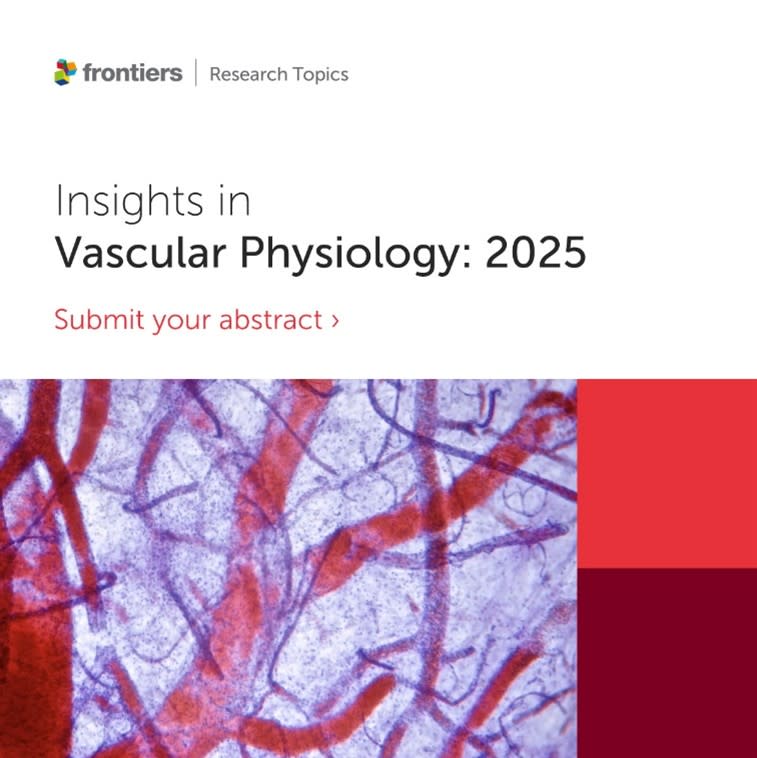
This Research Topic will constitute the second volume of the Insights in Vascular Physiology series. The 2025 volume invites submissions of original papers, reviews, or perspectives on such topics as abdominal aortic aneurysm, impact of microbiome on vascular physiology, cerebral microcirculation, and coronary microcirculation (see the link below for full topics list). This issue is edited by Drs. Luis A. Martinez-Lemus, University of Missouri, Columbia, USA; Christopher Garland, University of Oxford, Oxford, UK; Francesco Moccia, University of Molise, Campobasso, Italy; and Andrew P Braun, University of Calgary, Calgary, Canada. |
|
|
|
|
|
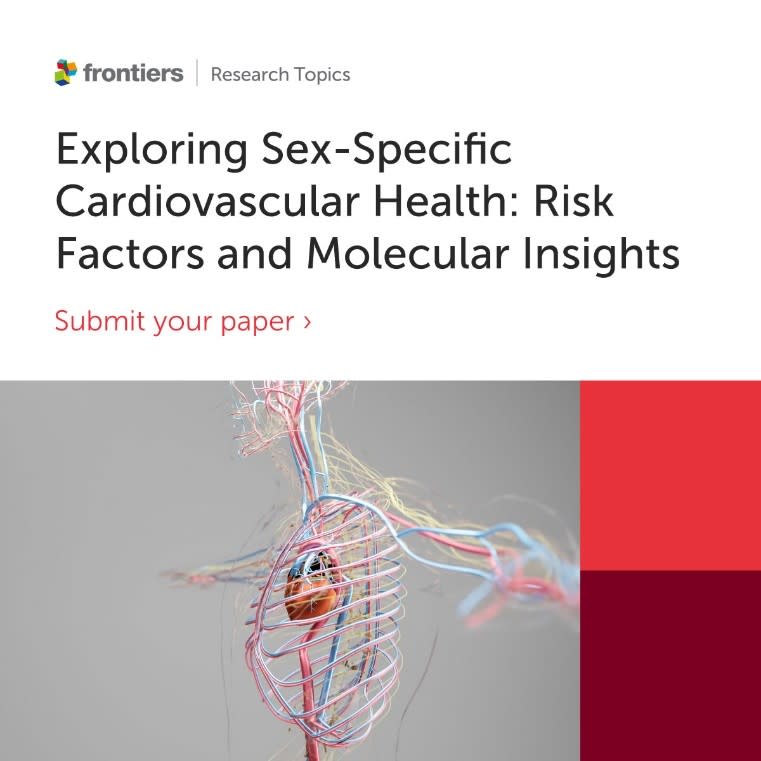
This collection focuses on the biochemical determinants and risk factors that contribute to the sex differences in cardiovascular disease initiation, development, presentation, and diagnosis. Specific areas of interest include coronary disease, microvascular dysfunction, hormonal and non-hormonal mechanisms of sex-related cardio protection, vascular biomechanics, and impacts of gender (as distinct from biological sex) and related lifestyle on cardiovascular health. The topic editors are Drs. Irena Levitan, University of Illinois Chicago, Catherine Martel, Universite de Montreal, and Benard Ogola, Augusta University. Frontiers | Exploring Sex-Specific Cardiovascular Health: Risk Factors and Molecular Insights. |
|
NAVBO Corporate Partners |
|

|

|

|

|

|

|
NAVBO Corporate Member |
|
|
Calendar of Events |
|
|
Job Postings |
|
|
Have an open position that you would like to see listed here? NAVBO members receive deep discounts on their posts. Submit your open position today! |
|
|
|


|
North American Vascular Biology Organization |